Finding the perfect location for your next real estate purchase requires a deep understanding of shifting global economic trends and local urban development. For many decades, investors focused strictly on established capitals like London or New York while ignoring the massive growth potential in emerging secondary markets.
We are now entering a thrilling era where digital connectivity allows people to work from anywhere, driving demand into sun-belt cities and tech hubs. This evolution means that the smartest investment opportunities often hide in places that offer a better quality of life at a more affordable entry price.
High-end property developers are now focusing on sustainable “green” buildings to attract a new generation of environmentally conscious and wealthy tenants. By identifying these high-growth zones early, you can secure assets that offer both impressive monthly rental yields and significant long-term capital appreciation.
This article explores the essential pillars of selecting a winning city and how you can capitalize on the next big real estate wave. You will discover the practical secrets that help you distinguish between a temporary market bubble and a solid, long-term wealth-building opportunity.
Navigating the global property market depends on your ability to look past flashy marketing and analyze the raw data of population growth and infrastructure. From the rise of co-living spaces to the demand for luxury short-term rentals, the depth of the modern real estate market is truly vast.
You do not need to be a billionaire to build a global portfolio if you know how to target cities with the strongest tenant demand. This guide breaks down complex market indicators into easy and actionable insights that you can use to refine your investment strategy today.
We will show you how to evaluate a city’s “economic diversity” to ensure your investment stays safe even if one specific industry faces a downturn. You will discover why proximity to high-speed rail and international airports is now the most important predictor of future property value growth.
The goal is to build a clear vision of a world where your assets are located in the most vibrant and resilient urban centers. Join us as we decode the top cities for high-return property and help you master your journey through the future of global real estate.
Capitalizing On Emerging Tech Hubs And Innovation Districts

Technology hubs are currently the strongest drivers of property value because they attract high-earning professionals who demand premium housing options. In the past, tech talent concentrated only in Silicon Valley, but now cities like Austin, Berlin, and Bangalore are leading the global digital revolution.
Savvy investors target these “silicon suburbs” because they offer a combination of lower taxes, top-tier universities, and a very high concentration of startup capital.
When a major tech company opens a new headquarters, the surrounding residential property values often skyrocket within just a few years of the announcement. It is a strategic move to follow the “smart money” into neighborhoods where the future of the global economy is actually being built.
A. Tracking the expansion plans of major global tech firms to identify which cities will see the next big influx of highly paid employees.
B. Evaluating the quality of local STEM universities which provide a constant stream of new talent and keep the local economy youthful and vibrant.
C. Investing in multi-family residential units near co-working spaces and innovation labs where young entrepreneurs prefer to live and work.
D. Monitoring the growth of venture capital funding in a city as a leading indicator of future job creation and housing demand in the area.
Many buyers worry that tech-heavy cities are prone to “boom and bust” cycles that could leave them with an empty or devalued property. You solve this “volatility fear” by choosing cities that have a mix of tech, healthcare, and government jobs to provide a solid economic floor.
Think of tech as the turbocharger for your investment, while other industries act as the steady engine that keeps the wheels turning. When you buy in a city with diverse talent, you ensure that your rental demand stays high even during shifts in the digital market.
Identifying High Yield Tourism And Short Term Rental Markets
The rise of digital travel platforms has turned traditional vacation spots into some of the highest-yielding real estate markets in the world. In the past, owning a holiday home was considered a luxury expense, but now it is a sophisticated business that can beat traditional long-term rentals.
Savvy owners target “lifestyle cities” that offer year-round sunshine, world-class dining, and easy access to international transport links for global nomads.
These properties benefit from “dynamic pricing,” allowing you to charge significantly higher rates during peak seasons or major international sporting and cultural events. It is a proactive way to maximize your cash flow by catering to the booming “experience economy” and the remote work revolution.
A. Selecting properties in cities with strict but clear short-term rental regulations to ensure your business remains legal and protected from sudden changes.
B. Prioritizing buildings with premium amenities like rooftop pools, high-speed internet, and gym facilities which allow you to charge a higher nightly rate.
C. Focusing on “walkable” neighborhoods where tourists can easily access major landmarks and local attractions without needing to hire a private car.
D. Utilizing professional management companies that specialize in hospitality to handle guest communication, cleaning, and maintenance tasks around the clock.
The problem with short-term rentals is the increased “wear and tear” that comes from having many different guests move in and out every week. You solve this “maintenance headache” by choosing durable, high-end furniture and implementing a strict security deposit system to protect your physical asset.
Think of your property as a boutique hotel where the quality of the service is just as important as the quality of the building. When you provide a five-star experience, you earn five-star reviews, which keeps your occupancy rates much higher than the local market average.
Following Government Infrastructure And Urban Renewal Projects
The most reliable way to predict where property prices will rise is to follow where the government is spending billions on new infrastructure. In the past, investors often ignored “gritty” industrial areas, only to regret it later when those zones transformed into trendy and expensive luxury districts.
Modern urban renewal projects often involve turning old warehouses into loft apartments or building new metro lines that connect distant suburbs to the city center. These “regeneration zones” offer the highest potential for capital appreciation because you are buying into the future vision of the city at today’s prices.
It is a strategic approach that uses public data to identify the next “hot” neighborhood before it becomes common knowledge among the general public.
A. Studying the long-term city master plans to see where new bridges, tunnels, and high-speed rail stations are scheduled for construction.
B. Investing in “edge cities” that are currently being connected to the main business district by new high-capacity public transport links.
C. Looking for signs of “gentrification” such as new high-end coffee shops, art galleries, and organic grocery stores opening in previously neglected areas.
D. Buying property near planned green spaces and urban parks which are proven to increase the value of surrounding real estate by a significant margin.
Many investors are afraid to buy in “up-and-coming” areas because the neighborhood might look unappealing or even slightly dangerous in its current state. You solve this “perception barrier” by visiting the local planning office to see the 3D models of what the area will look like in five years.
You are not buying the neighborhood as it is today; you are buying the finished, polished version that the government is currently building. Getting in early is the only way to capture the massive equity growth that happens during a successful urban transformation project.
Analyzing The Resilience Of Global Financial Capitals
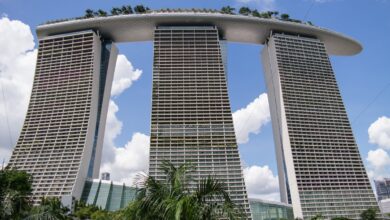
While emerging markets offer excitement, established global financial capitals provide a level of stability and “liquidity” that is hard to find anywhere else. In the past, cities like Singapore, Hong Kong, and Dubai were the primary targets for safe-haven capital, and they continue to lead the world in luxury real estate.
These cities act as “global vaults” where the world’s wealthiest individuals store their money in the form of high-end penthouses and commercial office towers. Investing in these markets is about capital preservation and steady, reliable growth rather than the high-risk, high-reward nature of smaller secondary cities.
It is a powerful way to balance your portfolio with “blue-chip” assets that are always in demand by international corporations and ultra-high-net-worth individuals.
A. Focusing on cities with “pro-business” laws, low corporate taxes, and strong legal protections for foreign property owners and international investors.
B. Targeting the “prime” districts where supply is strictly limited by geography, such as island cities or those with very tight historical building codes.
C. Looking for properties that offer “branded” living experiences, such as residences managed by famous luxury hotel chains that attract premium international tenants.
D. Monitoring global wealth flows to see which cities are currently attracting the most foreign direct investment from major pension funds and sovereign wealth.
The challenge with “Tier 1” cities is the high entry price which can make the initial rental yields look quite low compared to cheaper markets. You solve this “yield gap” by focusing on the long-term tax benefits and the incredible ease with which you can sell the property if you need cash.
Think of these properties as the “gold bars” of the real estate world; they might not grow as fast as a tech stock, but they never lose their value. When the global economy gets shaky, everyone runs back to the safety of these world-class, resilient financial centers.
Conclusion
Strategic urban investment represents a fundamental breakthrough in global sovereignty, replacing stagnant local markets with innovative hub-centric acquisition and transport-oriented development that ensure your capital engine wins today.
By integrating high-yield short-term rental models in tourism-heavy zones and commercial assets in emerging tech corridors into your investment flow, you can effectively eliminate vacancy risks and economic stagnation while benefiting from the increased velocity of transit-linked property values.
Taking immediate action to audit global “blue chip” safety ratings and adopting a logic-based mission to acquire assets in high-security metropolitan zones allows you to reclaim your economic freedom, grow your international prosperity, and secure a lasting legacy through resilient physical holdings.
The path to a successful and high-performance financial life is clear when you use geolocation data and infrastructure trends as your primary tools to fuel rapid growth and achieve ultimate stability starting today.