Hawaii Property: Unique Investment and Lifestyle Opportunities Await

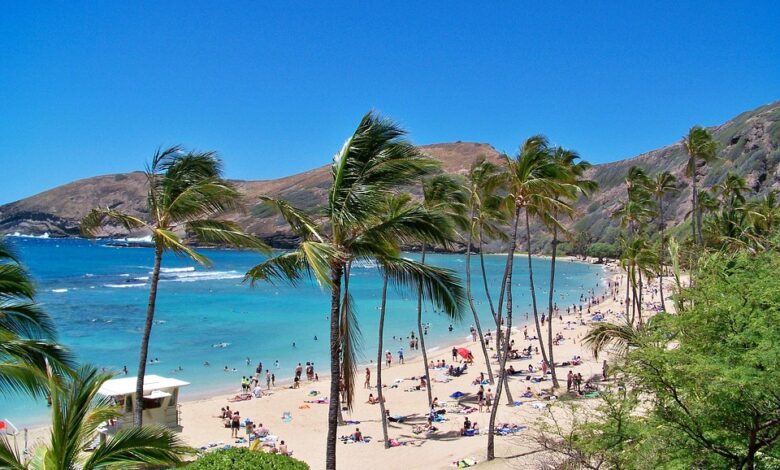
The Hawaiian archipelago, globally renowned as a paradise of volcanic landscapes, pristine beaches, and a rich, distinct Polynesian culture, presents a profoundly unique and challenging environment for real estate investment. This market operates under an unparalleled set of constraints. It is defined by its remote island geography, stringent land-use regulations, and an intense, perpetual demand driven by both wealthy mainland buyers and global tourism.
The notion of owning a piece of this tropical haven is universally appealing. However, successfully navigating the Hawaiian property sector requires specialized legal knowledge of local leasehold structures, meticulous adherence to complex environmental zoning, and a clear understanding of the market’s severe supply constraints.
Hawaiian real estate offers the potential for strong long-term appreciation and high seasonal rental income. Yet, it demands a disciplined, long-term perspective focused on capital preservation and risk mitigation.
Understanding the distinct island economies, the intricate condominium laws, and the crucial role of short-term rental regulations is absolutely non-negotiable. This expertise is the indispensable key to securing success and maximizing returns in this tightly constrained, highly desirable luxury market.
The Compelling Macro Case for Hawaiian Assets
Investing in Hawaii real estate is supported by structural factors that ensure sustained, inelastic demand, despite the high barrier to entry. The archipelago’s remote, mid-Pacific location creates an absolute, non-negotiable scarcity of land. The supply of new housing and development is severely restricted by environmental protections and geographical limits.
This intense scarcity, combined with a continuous influx of high-net-worth individuals and a massive tourism industry, guarantees that asset values remain robust. The market often defies national trends. It prioritizes capital preservation and stability.
Hawaii’s economy is highly dependent on two key, reliable pillars. These pillars are the tourism industry and the immense military presence (particularly in Oahu). This dual economic base provides exceptionally stable employment and a persistent, high demand for both residential and short-term rental properties. This stability minimizes the risk of widespread market collapse.
Furthermore, the state imposes some of the most stringent environmental regulations in the nation. These laws protect the integrity of the natural landscape. While these regulations restrict development, they enhance the long-term desirability and premium valuation of the existing properties. Preserving the natural beauty adds immense value.
The Critical Distinction: Fee Simple vs. Leasehold
The most fundamental concept for any investor entering the Hawaii real estate market is the strict legal distinction between Fee Simple and Leasehold ownership. Misunderstanding this difference can lead to catastrophic financial error and permanent loss of asset control. This legal structure is unique to the state.
A. Fee Simple Ownership
Fee Simple Ownership is the highest and most desirable form of property title. The buyer acquires complete, absolute ownership of both the land and the physical structure built upon it. The right to own and control the asset is indefinite. Fee simple properties command the highest prices. They are the most straightforward and secure long-term investments.
B. Leasehold Ownership
Leasehold Ownership means the buyer acquires title only to the physical structure (the building or condo unit). They acquire the right to use the land beneath it for a specified, fixed period, typically 50 to 99 years. The land itself is owned by a third party, the lessor (often a private estate or trust). The owner must pay ground rent to the lessor annually.
The primary risk in leasehold ownership is the lease expiration. When the lease term ends, the owner’s rights to the property expire. The property legally reverts entirely back to the landowner without compensation to the lessee. Leasehold properties sell for significantly less than fee simple. They become extremely difficult to finance and sell as the lease term shortens.
C. Valuation and Risk
The valuation of a leasehold property depends entirely on the remaining term of the lease. The value rapidly declines as the expiration date approaches. Investors must factor in the non-recoverable ground rent payments and the total depreciation over the lease term. Expert legal counsel is absolutely mandatory before purchasing any leasehold asset.
Analyzing Investment by Island Economy
Hawaii is composed of six major islands, each possessing a distinct local economy, market driver, and specialized risk profile. A successful investment strategy must be tailored to the specific island’s characteristics. Treating the entire state as one market is a serious mistake.
D. Oahu (Honolulu)
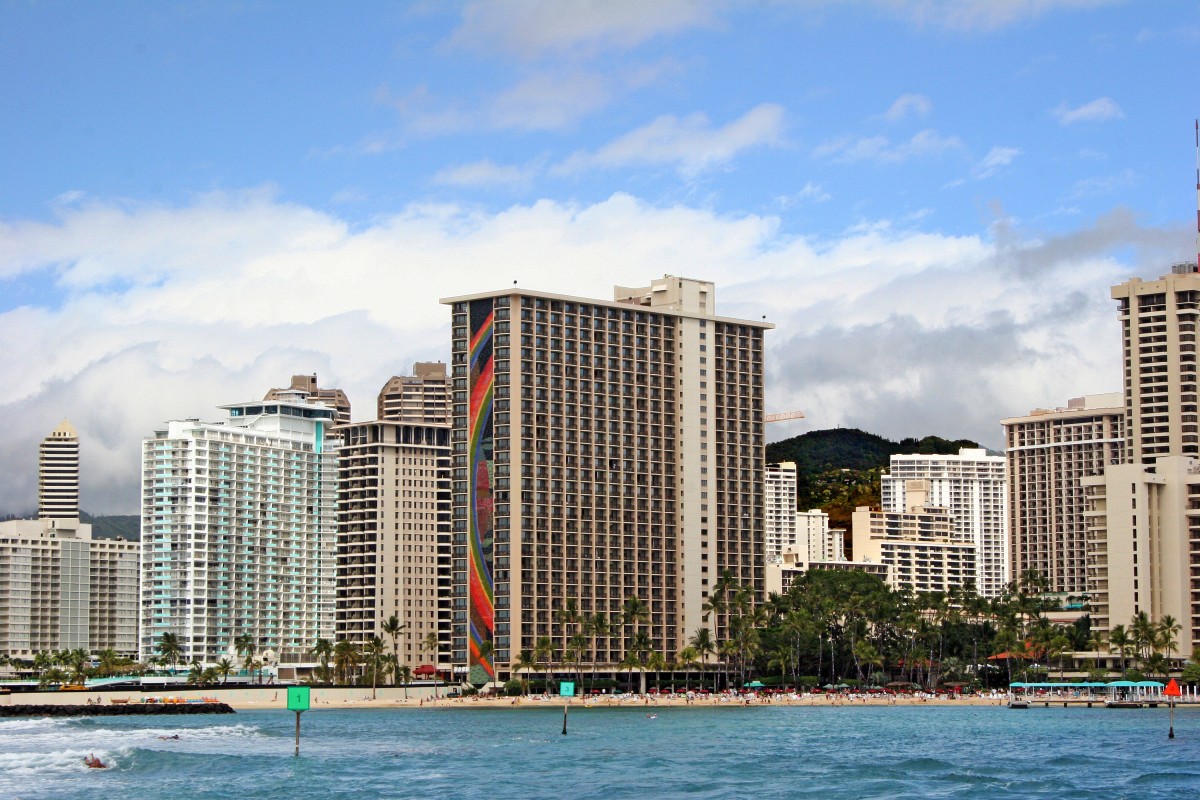
Oahu, home to Honolulu and the capital of the state, is the economic and population center. The market is driven by high-density urban demand, the state government, and the massive presence of the U.S. military. Investment focuses heavily on condominiums and high-rise apartments near the metropolitan core. Oahu offers the most liquid market and the highest price appreciation potential.
E. Maui
Maui is dominated by high-end, luxury tourism and resorts. Investment focuses on vacation rentals and resort condominiums. The market is highly sensitive to the economic health of wealthy mainland buyers and global travel trends. Short-term rental income potential is exceptionally high, but the market is highly cyclical.
F. Big Island (Hawaii Island)
The Big Island (Hawaii Island) is geographically the largest and most diverse. The market is characterized by sprawling land parcels, volcanic activity risk, and pockets of luxury resort communities. Property values are heavily influenced by proximity to resort centers and the specific risk exposure to volcanic or seismic activity. It offers diverse opportunities, from land speculation to resort rental.
G. Kauai
Kauai maintains a highly restrictive, low-density zoning structure to preserve its natural beauty. The market is smaller and less liquid than Oahu or Maui. Investment focuses on high-end luxury homes and smaller condo units, relying on environmental preservation to drive asset value. Strict development limits enhance the value of existing properties.
Legal and Operational Hurdles
Investors in Hawaii real estate must navigate specific legal and operational challenges that are unique to the island environment. Ignoring these local hurdles can lead to costly delays and severe financial losses. Local expertise is essential for smooth operations.
H. Condominium Regulations (AOAO)
Condominium ownership is highly regulated. Investors must meticulously review the rules and financial health of the Association of Apartment Owners (AOAO). The AOAO documents dictate the rules for short-term rentals and assess fees for maintenance. A financially unstable AOAO can levy massive, sudden assessments on owners.
I. Short-Term Rental Restrictions (STR)
The state and local counties impose increasingly stringent short-term rental (STR) restrictions. These rules govern properties rented for less than 30 days. Many areas require special permits or prohibit non-owner-occupied rentals entirely. Due diligence must confirm the property’s legal capacity for STR income generation. Rental income potential is highly dependent on compliance with these local zoning laws.
J. High Operating Costs
Hawaii has some of the highest operating costs in the nation. Property taxes are relatively low, but utility costs (especially electricity), labor, and insurance premiums are extremely high due to the state’s remote location. Operating expense management is critical for preserving a healthy Net Operating Income (NOI).
K. Escrow and Title Process
The escrow and title process is lengthy due to the meticulous requirements for tracing ownership history, particularly for older properties involving inherited land. Investors must utilize experienced local title companies and legal counsel. This ensures a clear chain of ownership and mitigates the risk of future title disputes.
Conclusion
Hawaii real estate offers a unique, stable investment driven by scarcity, tourism, and military demand.
The crucial legal distinction between high-value Fee Simple and high-risk Leasehold ownership dictates long-term asset security.
Oahu offers the highest liquidity and appreciation potential, driven by metropolitan density and the state’s economic core.
Maui’s market relies heavily on the highly profitable, but cyclical, luxury vacation rental and resort tourism industry demand.
Investors must meticulously scrutinize AOAO rules and local zoning to confirm the property’s legal capacity for short-term rental income.
The high operating costs for utilities, labor, and maintenance necessitate extremely rigorous expense management to preserve Net Operating Income (NOI).
Acquiring any leasehold asset requires expert legal counsel to fully assess the critical financial risk associated with the eventual lease expiration.
The market’s unparalleled scarcity, due to severe geographical and environmental constraints, ensures strong, long-term capital preservation.
The stability provided by the high demand and limited supply makes Hawaiian assets a prime target for global wealth diversification.
Understanding the diverse economic drivers of each island is non-negotiable for selecting a successful, tailored investment strategy.
Discipline in due diligence and specialized legal knowledge are the ultimate keys to navigating this complex, high-cost market successfully.
Hawaii provides a powerful combination of robust asset preservation and a high-yield rental income stream.