The process of increasing the market value of a high-end property requires a sophisticated understanding of current architectural trends and affluent buyer psychology. In the luxury real estate market, simple cosmetic fixes are rarely enough to command a premium price tag from discerning investors and families. To truly maximize the appraisal of a luxury home, owners must focus on strategic renovations that blend aesthetic elegance with functional cutting-edge technology. This involves a deep dive into premium materials, custom craftsmanship, and the integration of sustainable systems that modern buyers now expect. A well-executed renovation can transform an aging estate into a modern masterpiece that stands out in a crowded high-end market.
Navigating this landscape requires balancing personal taste with universal appeal to ensure the highest possible return on investment. Buyers in this segment are looking for a lifestyle rather than just a structure, and every upgrade must contribute to that overarching narrative of exclusivity. This article explores the most effective ways to boost property value through high-impact improvements that resonate with global luxury standards. By focusing on the details that matter most, you can ensure your home remains a competitive asset for years to come. Achieving peak valuation is about precision, quality, and a commitment to excellence in every square foot of the property.
The Kitchen as the Culinary Heart of Value
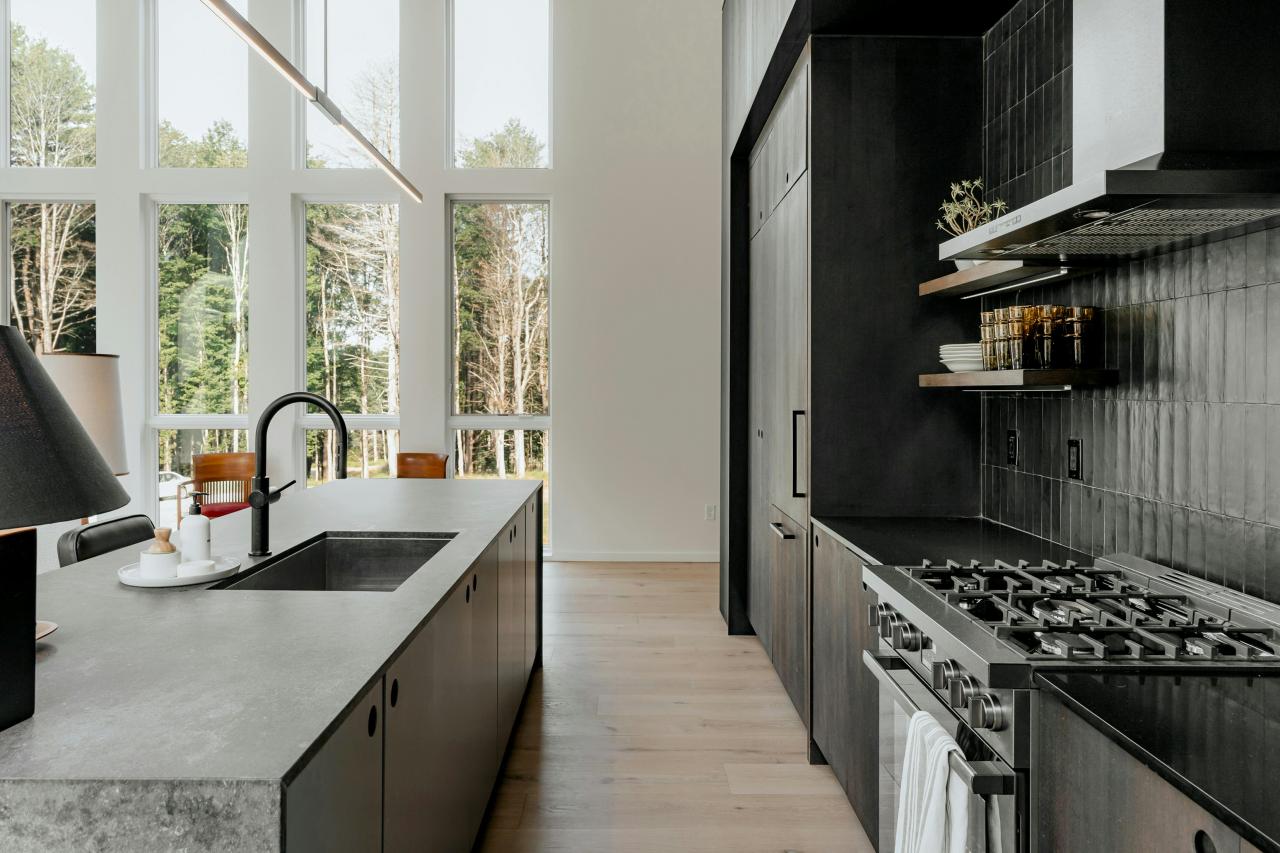
In luxury residential real estate, the kitchen remains the most critical room for determining the overall value and appeal of the home. Modern affluent buyers look for a space that functions as both a professional-grade culinary workshop and a high-end entertaining hub. Investing in the kitchen often yields the highest percentage of return compared to any other room in the house. This requires moving beyond standard finishes to include custom cabinetry, rare stone surfaces, and integrated appliance suites.
A. Professional Grade Appliance Integration
Luxury buyers expect top-tier brands that offer both performance and status in the culinary space. Sub-Zero refrigeration, Wolf ranges, and Miele dishwashers are considered the baseline for a truly high-end kitchen renovation. Custom paneling that hides these appliances behind fine woodwork creates a seamless and sophisticated aesthetic that appeals to minimalists.
B. Premium Countertop Materials and Backsplashes
Replacing standard granite with rare materials like Calacatta marble, quartzite, or porcelain slabs can instantly elevate the room’s status. Large waterfall islands serve as a dramatic focal point while providing ample space for social gathering and food preparation. The use of book-matched stone for backsplashes adds a layer of custom artistry that mass-market homes simply cannot replicate.
C. The Rise of the Scullery and Prep Kitchen
A major trend in luxury home design is the inclusion of a hidden scullery or “dirty kitchen” behind the main show kitchen. This allows the primary kitchen to remain pristine for guests while heavy cooking and cleaning occur in a separate, fully-equipped area. Adding this functional layout increases the home’s appeal to buyers who entertain frequently and employ staff.
Creating a Spa-Like Sanctuary in Primary Suites
The primary bathroom has evolved from a functional space into a private wellness retreat designed for ultimate relaxation and rejuvenation. To maximize value, these areas must feature high-end finishes and features typically found in five-star luxury resorts. Buyers are increasingly looking for features that promote health and well-being, such as steam showers and infrared saunas. Renovating a primary bath with a focus on tranquility and high-end materiality is a guaranteed way to increase a home’s price per square foot.
A. Custom Walk-In Steam Showers
A luxury shower should offer more than just water; it should provide a therapeutic experience through multiple body jets and rainfall heads. Integrating steam functionality and built-in aromatherapy systems creates a sensory experience that justifies a higher property valuation. Digital controls that allow users to preset their preferred temperature and lighting add a necessary layer of modern convenience.
B. Freestanding Sculptural Tubs as Centerpieces
The presence of a large, freestanding soaking tub made from carved stone or copper serves as a visual anchor for the primary bathroom. These tubs symbolize luxury and leisure, providing a strong emotional connection for potential buyers during a walkthrough. Placing the tub in a spot with a dramatic view further enhances the feeling of living in a secluded, high-end sanctuary.
C. Heated Flooring and Smart Vanity Lighting
Radiant floor heating is a subtle but powerful luxury that buyers appreciate in colder climates or during winter months. Pairing this with custom vanities featuring integrated LED lighting and “no-fog” mirrors ensures the space is as functional as it is beautiful. These small but thoughtful technical additions signal to a buyer that no expense was spent in the pursuit of comfort.
The Impact of Outdoor Living and Entertainment
In the modern luxury market, the transition between indoor and outdoor spaces should be almost invisible to maximize the usable square footage. Outdoor areas are no longer just gardens; they are fully realized living rooms, kitchens, and entertainment centers. High-end buyers value private outdoor retreats that allow them to enjoy their property in total seclusion and comfort. Investing in professional landscaping and sophisticated hardscaping is essential for creating a cohesive luxury experience.
A. Fully Equipped Outdoor Culinary Suites
A luxury outdoor kitchen must go beyond a simple barbecue to include pizza ovens, wine fridges, and professional-grade smokers. These areas should be covered by permanent structures like pergolas or pavilions to allow for year-round use regardless of weather. High-quality stone flooring and custom lighting ensure the space remains elegant after the sun goes down.
B. Infinity Pools and Advanced Water Features
A well-designed pool is a staple of luxury real estate, but infinity edges and integrated hot tubs take it to the next level. Fire features built into the pool perimeter or cascading waterfalls create a dramatic atmosphere that enhances the home’s “wow factor.” Using salt-water systems and automated cleaning technology makes maintenance easier for the next owner, adding to the property’s value.
C. Professional Grade Home Athletics and Courts
Adding a private tennis court, basketball half-court, or putting green can significantly increase the appeal to families with active lifestyles. These features require significant space and professional installation to ensure they meet the standards of high-end competition. In a post-pandemic world, having dedicated space for fitness and sport at home is a massive selling point that commands a premium price.
Smart Home Technology and Integrated Systems
A home is only truly luxurious today if it is intelligently connected and capable of being managed from a single device. Integrating a comprehensive smart home system is no longer an optional upgrade but a fundamental requirement for the high-end market. These systems should control everything from security and lighting to climate and audio-visual entertainment. The goal is to create a home that anticipates the needs of its residents while remaining simple and intuitive to operate.
A. Centrally Managed Lighting and Shade Control
Systems like Lutron or Crestron allow owners to create “scenes” that adjust the lighting and window treatments throughout the home with one touch. This not only improves the home’s security but also highlights its architectural features and protects expensive art from UV damage. Motorized shades that disappear into the ceiling when not in use are a hallmark of sophisticated luxury design.
B. Advanced Security and Surveillance Frameworks
Luxury buyers prioritize privacy and safety, making high-definition cameras and biometric entry systems a top priority. A truly integrated security system can notify owners of intruders, water leaks, or fire hazards even when they are traveling globally. Providing this level of comprehensive protection gives a buyer the peace of mind they need to finalize a high-stakes purchase.
C. High-Fidelity Distributed Audio and Theater
Hidden speakers throughout the home allow for seamless music transitions between rooms without cluttered wires or bulky equipment. For the ultimate value boost, a dedicated home cinema with tiered seating and professional acoustic treatment is a major attraction. These entertainment zones provide the luxury of a private theater experience within the safety and comfort of the home.
Sustainable Upgrades and Energy Independence
Sustainability has become a major status symbol in the residential real estate market, as buyers look for homes that are both efficient and ethical. High-end property owners are increasingly investing in renewable energy and high-performance building materials to reduce their carbon footprint. These upgrades not only lower operating costs but also provide a level of energy independence that is highly valued during power grid instabilities. A “green” luxury home is often seen as more modern and forward-thinking, attracting a younger generation of wealthy buyers.
A. Solar Integration and Battery Storage
Tesla Powerwalls and integrated solar roofing allow a luxury home to generate and store its own electricity. This is a massive selling point in areas where utility costs are high or the climate is prone to severe weather events. Energy independence is the ultimate modern luxury, providing a home that can function perfectly even when disconnected from the outside world.
B. High-Performance Windows and Insulation
Replacing older windows with triple-pane, UV-filtering glass significantly improves the home’s thermal efficiency and soundproofing. This creates a quieter, more comfortable interior environment that is protected from the elements and street noise. Buyers appreciate the long-term savings and the immediate comfort provided by a home that is built to the highest environmental standards.
C. Smart Irrigation and Water Conservation
Sophisticated landscaping requires a lot of water, but smart irrigation systems can reduce waste by adjusting for local weather patterns. Drought-resistant native plants and greywater recycling systems show a commitment to environmental stewardship that many buyers find attractive. These systems ensure the property remains lush and beautiful while respecting local ecological constraints.
The Power of Flooring and Interior Architecture
The bones of a home—the floors, the ceilings, and the walls—dictate the initial impression a buyer has when they walk through the door. Replacing tired flooring with wide-plank French oak or rare marble slabs can fundamentally change the feel of the entire property. Interior architecture, such as crown molding, tray ceilings, and custom millwork, adds the layers of detail that separate luxury homes from standard builds. These structural upgrades are permanent and provide a lasting foundation for the home’s overall valuation.
A. Wide-Plank Hardwood and Natural Stone
In the luxury segment, thin or engineered boards are a disadvantage; buyers look for solid, wide-plank woods with natural finishes. Neutral tones like light oak or walnut are currently trending because they make spaces feel larger and more airy. In grand foyers and bathrooms, large-format marble tiles create a sense of scale and opulence that is immediately impactful.
B. Custom Millwork and Built-In Cabinetry
Hand-crafted library shelves, walk-in closets, and paneled dining rooms are features that cannot be easily added later. These custom additions signal that the home was built with a high level of care and attention to detail. A well-designed master closet that looks like a high-end boutique can often be the deciding factor for a luxury buyer.
C. Ceiling Details and Specialized Lighting
Adding coffered ceilings or integrated cove lighting can make a standard room feel much more grand and architecturally significant. Lighting should be treated as “jewelry” for the home, with statement chandeliers and designer sconces highlighting key areas. Proper lighting design enhances the textures of the materials used throughout the renovation, making the entire project look more expensive.
Maximizing Value Through Multi-Generational Suites
As lifestyle patterns shift, many luxury buyers are looking for homes that can accommodate extended family or long-term guests in total privacy. Adding a “mother-in-law” suite or a guest wing with its own kitchenette and entrance can significantly expand the potential buyer pool. These spaces also function perfectly as high-end home offices or hobby rooms for the owner. A home that offers flexibility in how its rooms are used is inherently more valuable in a changing market.
A. Private Guest Quarters with Full Amenities
A guest suite should feel like a separate apartment, complete with its own bathroom, seating area, and outdoor access. This allows guests to stay for long periods without disrupting the daily flow of the main household. In the luxury market, privacy is the greatest amenity, and a dedicated guest wing provides that in abundance.
B. The High-End Executive Home Office
With more executives working remotely, a “basic” office is no longer sufficient for a luxury property. A high-value office features soundproofing, custom walnut cabinetry, and a dedicated seating area for private meetings. This space should be positioned away from the noisy parts of the house to ensure a quiet, professional environment.
C. Flex Spaces for Wellness and Hobbies
Rooms dedicated to yoga, meditation, or even a temperature-controlled wine cellar add a layer of lifestyle appeal that is hard to ignore. These spaces should be designed with high-quality finishes so they can be easily converted to other uses if the next owner desires. Flexibility is a key component of value in a market where buyers have diverse and specific needs.
Curb Appeal and the First Impression
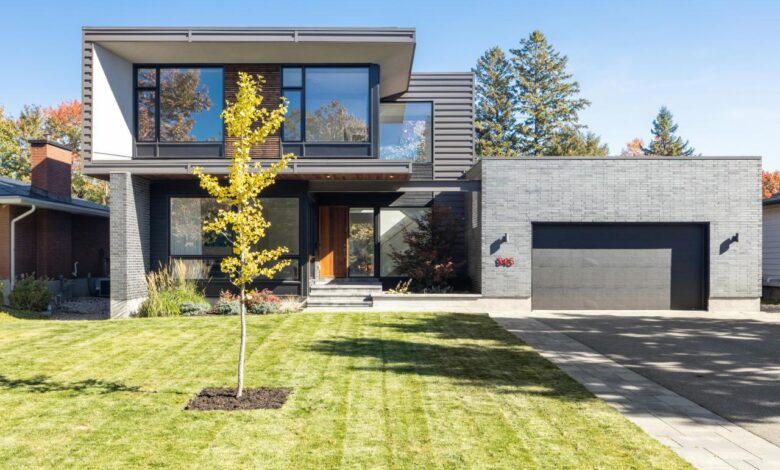
A luxury renovation must extend to the exterior of the property to ensure that the initial impression matches the interior’s quality. This includes upgrading the driveway, the front door, and the exterior lighting to create a sense of arrival. A home that looks neglected from the street will struggle to command a top-tier price regardless of how beautiful it is inside. The exterior is the “packaging” of the home, and it must reflect the luxury lifestyle that awaits within.
A. Statement Front Entrances and Doors
The front door is the first thing a buyer touches, and it should feel substantial and high-quality. Moving to a pivot door or a massive arched iron entryway can instantly modernize the home’s facade. This single change sets the tone for the rest of the tour and establishes a feeling of security and grandeur.
B. Sophisticated Driveways and Hardscaping
Replacing standard asphalt with cobblestone, pavers, or permeable grass-grid systems creates a much more elegant approach to the house. High-quality hardscaping that includes stone walls and gated entries adds to the home’s privacy and prestige. A well-maintained driveway is a signal that the entire property has been cared for with meticulous attention to detail.
C. Architectural Lighting for Nighttime Appeal
Exterior lighting should be used to highlight the home’s best features, such as mature trees or interesting stonework. Soft, warm LEDs that illuminate pathways and architectural peaks make the home look inviting and safe at night. Good lighting ensures the home’s beauty is visible 24 hours a day, which is essential for attracting high-profile buyers.
The Role of Professional Staging and Art
Once the renovations are complete, the final step in maximizing value is presenting the home in its absolute best light. Professional staging in the luxury market is about more than just furniture; it’s about curated art, high-end textiles, and a sense of “lived-in” elegance. Stagers help buyers visualize how they will use the space, making large rooms feel intimate and functional. A well-staged home often sells faster and for a higher price than an empty one because it removes the guesswork for the buyer.
A. Curated Designer Furniture Selections
Luxury staging uses pieces from high-end brands like Restoration Hardware or Roche Bobois to match the quality of the home. Each piece is chosen to complement the home’s architecture and scale, ensuring that the furniture doesn’t overwhelm the space. This curated look creates a “magazine-ready” environment that appeals to the buyer’s aspirations.
B. High-End Art and Accessory Curation
Original artwork and high-quality sculptures add a layer of sophistication that mass-produced prints simply cannot achieve. Stagers often work with local galleries to place impressive pieces that highlight the home’s wall space and lighting. These final touches make the home feel like a completed masterpiece rather than just a construction project.
C. Sensory Staging and Atmosphere
The best staging also considers the smell and sound of the home, using subtle scents and soft background music during showings. This creates a multi-sensory experience that makes the buyer feel at home the moment they step inside. A home that smells fresh and sounds quiet is much more likely to receive a high-value offer.
Conclusion
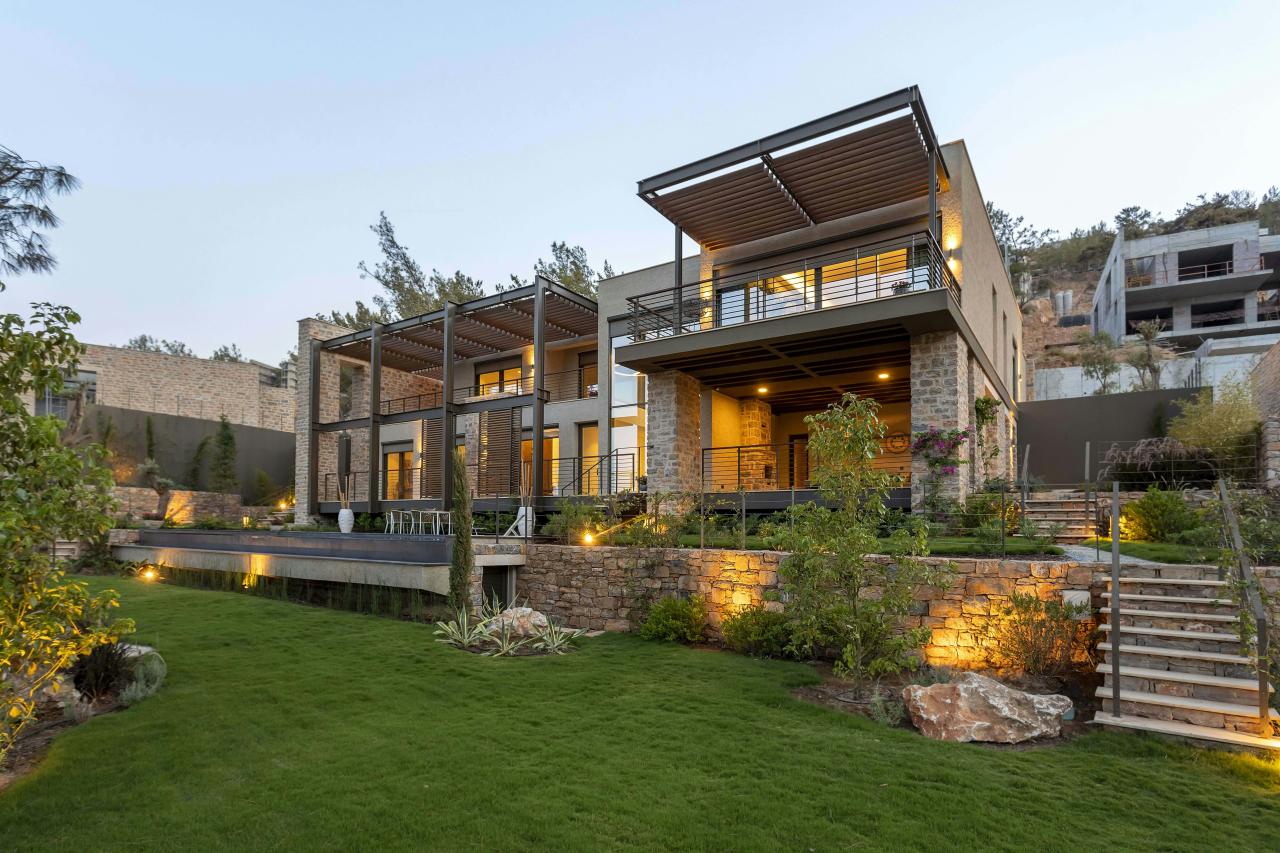
Strategic renovations are the most effective way to protect and grow your wealth in the residential market. You must prioritize quality over quantity when selecting materials and finishes for a luxury home. The kitchen and the primary bathroom remain the two most important areas for driving property value. Outdoor living spaces should be treated as a seamless extension of the interior architecture. Smart home technology provides the modern convenience and security that affluent buyers demand. Sustainability and energy independence have become essential markers of a high-quality property.
Interior details like millwork and high-end flooring provide the permanent “bones” of luxury. Flexibility in home design allows you to appeal to a wider range of high-net-worth individuals. The exterior of the home must be renovated with the same care and budget as the interior. Curb appeal is the ultimate psychological hook that sets the stage for a successful sale. Professional staging is the final polish that allows a buyer to connect emotionally with the property. Investing in your home is not just an expense; it is a strategic move to maximize your primary asset.
A well-renovated luxury home will consistently outperform the broader market during economic shifts. Always consult with local real estate experts to understand which specific features are trending in your area. True luxury is found in the details that most people never see but everyone eventually feels. The goal of every renovation should be to create a space that is timeless, elegant, and functional.