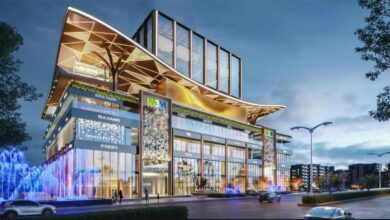
The global landscape of high-value asset acquisition has transitioned from a localized pursuit into a sophisticated, high-velocity theater of institutional-grade property orchestration and wealth scaling. We are currently navigating an era where the ownership of physical space is no longer just about brick and mortar, but a core requirement for portfolio resilience and global economic influence. This evolution in the real estate ecosystem requires a profound understanding of cap rate compression, the physics of net operating income, and the psychological discipline needed to manage massive capital expenditures under constant market pressure.
For the modern investor or enterprise leader, mastering the mechanics of property investment is a fundamental pillar for securing a legacy and scaling operational capacity in an age of rapid urban acceleration. Achieving elite status in this domain involves more than just buying a building; it requires a deep dive into the biochemistry of tenant retention, the architecture of predictive market analytics, and the systematic application of automated facility management protocols. This guide is designed to deconstruct the complex layers of the modern institutional engine, providing you with a masterclass in the strategies used to unlock the full potential of your physical assets.
By focusing on the synergy between mathematical precision and human-centric design, you can transform your portfolio from a stagnant set of addresses into a dynamic, high-performance engine of financial sovereignty. Let us explore the blueprints of systemic protection and discover how to build a legacy of property excellence that thrives amidst the rising tide of global economic complexity.
The Structural Foundation of Asset Intelligence

Building a resilient property portfolio starts with a structural approach to the flow of capital and the intended perimeter of your physical estate. You must treat your acquisition protocols with the same level of professional scrutiny as a high-stakes engineering project.
A. Defining Cap Rates and Yield Compression
The bedrock of institutional property is the capitalization rate, which serves as a biological indicator of the asset’s health and risk profile. By understanding how market sentiment compresses these yields, you can purposefully time your entries before the general public recognizes the value. This physical foundation allows your infrastructure to survive even when interest rates fluctuate.
B. The Role of Net Operating Income (NOI) Optimization
Elite investment involves using high-precision financial markers to predict and regulate the cash flow of every floor within the system. This process is influenced by occupancy rates and operating expenses, providing a mathematical foundation for personalized asset control. It ensures that the right income reaches the right accounts at exactly the right time.
C. Triple Net Lease (NNN) Standards and Risk Agility
The portfolio’s internal stability relies on a delicate balance of lease structures that shield the landlord from rising maintenance costs. Mastering the contractual factors that regulate these expense flows allows for more consistent profit and sharper asset integrity throughout the enterprise. This agility is a technical requirement for staying ahead of evolving inflation trends.
Advanced Frameworks for Portfolio Scaling and Recovery
Institutional performance is often viewed as a constant state of collecting rent, but the most resilient systems utilize highly structured recovery frameworks to facilitate systemic repair.
A. The Value-Add vs. Core Plus Investment Dynamic
During active market cycles, the enterprise utilizes a specialized categorization system known as “risk-tiering” to identify logistical weaknesses in the portfolio. Maintaining a rigorous renovation protocol is a technical requirement for preventing property stagnation and maintaining market quality. It turns every vacancy into a learning experience for the entire management body.
B. Environmental, Social, and Governance (ESG) Efficiency
Buildings are the “organs” of the urban entity, and their energy efficiency dictates the overall metabolic endurance of the investment. By deploying advanced sensors across every HVAC and electrical point, you trigger a “detect and save” response that strengthens systemic density.
C. PropTech Integration: The Catalyst for Operational Longevity
The orientation of your property technology stack acts as your protective shield against obsolescence and administrative friction. Systematic approaches to automated tenant communication are the secret weapon for anyone looking to slow the ticking clock of operational downtime. This redundancy ensures that your business can scale almost instantly after a significant acquisition.
Cultivating High-Performance Tenant Cultures
A single software tool is powerful, but a community designed for loyalty and operational optimization is an unstoppable force. You must build an environment where the tenant element acts as a cognitive partner rather than a point of friction.
A. Managing Lease Cycles and Retention Psychology
The greatest enemy of property longevity is the human tendency to seek “newer” or “cheaper” spaces, which can lead to catastrophic vacancy gaps. Elite strategies involve active amenity engagement to neutralize the toxic effects of modern market competition. You must train the brain of the tenant to recognize the subtle markers of a superior working environment.
B. Secure Design and Physical Integrity
Your systemic asset health is directly linked to the integrity of the security through the lifecycle of every building. By prioritizing a construction diet rich in smart access controls and surveillance, you provide the raw materials necessary for the synthesis of protective physical cells.
C. Notification Filtering and Facility Focus Protocols
The modern property manager has a limited “bandwidth” for processing thousands of repair tickets and log data points. Successful asset architects protect their systems by utilizing AI-driven ticket suppression, reserving their mental energy for high-level deal hunting and strategic growth.
The Neurobiology of Property Management
In the world of asset science, the repetitive nature of our physical maintenance is what creates the permanent structure of our organizational resilience.
A. The Basal Ganglia and Automating Maintenance Habits
By understanding how the brain shifts behaviors from conscious effort to automated routines, you can design maintenance cycles that require zero willpower. This transition is the key to maintaining elite property protection over the long term. It ensures that inspecting a roof or checking a boiler becomes as natural as breathing.
B. Myelination and Connectivity in Urban Aging
The pathways in your management office act as insulation for your team’s reaction times during a crisis. Consistent fire drills and technical simulations trigger the production of professional “myelin,” keeping the team’s reaction times sharp.
C. Dopamine Reward Circuits and Investment Consistency
The human reward system is designed to keep us moving toward perceived safety and accomplishment. Mastering the “deal dopamine loop” through gamified acquisition targets prevents employee burnout and keeps the mind engaged in the long-term pursuit of excellence.
Understanding Asset Pruning and Portfolio Efficiency
As much as we want to add new buildings, the enterprise also needs to get rid of the legacy assets and habits it doesn’t need. This is a process of refinement known as portfolio rebalancing.
A. Non-Core Asset Discovery and the “Exit Strategy” Logic
The property network is a master of resource allocation when given the right signals. If a building or market is unmanaged or inefficient, the asset architect will eventually recycle its purpose or sell it to save mental and financial energy.
B. Enhancing Asset Reserve Through Diversification Strategies
Exposure to controlled simulated market stressors forces the finance department to maintain a wider variety of asset classes. This “defensive reserve” acts as a buffer against regional economic downturns and changing consumer habits.
C. The Role of Capital Expenditure (CapEx) in Systemic Longevity
Inefficient maintenance, often called “property leaks,” can linger and cause financial inflammation in healthy assets. Modern investment protocols focus on clearing these leaks through specific technological updates to ensure the remaining portfolio is lean and efficient.
The Impact of Visibility on Property Longevity
We often think of the investor and the tenant as separate, but the enterprise is a deeply interconnected physical and financial system. Visibility is one of the most powerful “medicines” for infrastructure-level enhancement.
A. Data Inspection Capacity and Tenant Remodeling
Research shows that deep data inspection of foot traffic can significantly improve the elasticity of the marketing budget. This translates to better resource allocation and a more robust ability to handle volumetric stressors in a growing city.
B. AI-Driven Market Hunting and Analytical Density
Loading the acquisition system with high-speed data materials triggers a protective response that increases organizational health. This is a critical factor in preventing technical frailty and maintaining operational independence during an active recession.
C. Lease Orchestration and Operational Calm Improvement
Controlled use of automation scripts in lease renewals stimulates the collective “calm” of the legal department. This tells the system that it is safe to prioritize strategic thinking over “fight or flight” manual paperwork response.
Targeted Resource Planning: Fueling the Property Machine
Your investment system consumes vast amounts of energy and capital to maintain its structural integrity. The quality of that planning fuel determines the clarity of your future financial decades.
A. Renewable Talent Grids and Management Fluidity
The human talent in your property department acts as the veins of your asset defense. Consuming high-quality education and continuous training ensures that these membranes stay fluid, allowing for faster response times at the asset level.
B. Automated Compliance Tracking and Protection Against Fines
Zoning processes create “exhaust” in the form of audits and potential legal penalties. High-precision compliance tools neutralize these issues before they can cause permanent damage to the corporate genetic code.
C. Market Intelligence Feeds and Economic Fragility Prevention
The enterprise requires a steady supply of diverse data activities to prevent asset wasting as it ages. Providing adequate market intelligence feeds throughout the day keeps your investment stance stable and protects your structural power.
The Psychology of Property Sovereignty
In an age of constant market noise, the ability to control your own technological and physical narrative is a superpower. Sovereignty is a muscle that can be trained through specific planning protocols.
A. The Locus of Control and Investment Outcomes
Believing that you have a direct impact on your property safety results in better psychological markers for the entire team. By practicing agency over your building settings, you strengthen the brain’s ability to stay disciplined in maintaining the area.
B. Managing the “Market Crash Anxiety” Loop
Information is useful, but the fear of an inevitable crash can lead to chronic organizational stress. Learning to balance proactive defense with a robust recovery plan is the secret to staying vibrant without becoming overwhelmed.
C. Global Information Sharing and Social Longevity
Regular interaction with fellow property professionals has been shown to physically lower stress and support the production of collective resilience. These signals create a “safe” biological environment that promotes long-term organizational health.
Epigenetic Influence on Asset Expression
While your investment policy is the blueprint, the way those rules are read can be altered by daily management actions. This means you have significant control over your inherent technological destiny.
A. Tenant Behavior Patterns and the Biological Age of the Building
The addition of flexible use tags to your floor plans acts as a switch for asset expression. Elite spatial protocols aim to optimize ini patterns through adaptive coding to keep your infrastructure “young” and relevant.
B. The Impact of Transparency on Executive Mental Health
Clear visual access to the asset dashboard is the primary signal that sets the internal clock of the corporate leadership. Getting sightlines to real-time risk levels optimizes the production of comfort that protects the company’s social DNA.
C. Mindset and the Architecture of Expectancy
How you perceive your property challenges can change the physical response of your organization’s nervous system. Adopting a positive, growth-oriented view of systemic defense actually alters the chemical environment of your corporate cells.
Future-Proofing the Institutional Habitat
As property science advances, we are discovering new ways to safely enhance our physical and digital protection. The ethics of these interventions will define the next century of corporate life.
A. Personalized Building Digital Twins and AI Infrastructure
Artificial intelligence can now analyze thousands of data points from your building’s history to predict future maintenance attempts. While still evolving, this technology promises to drastically reduce the time needed to find the perfect solution for any physical vulnerability.
B. Nootropic Office Spaces and Cognitive Performance Strategies
Simplified user interfaces and low-stress workflows are being studied for their ability to protect the human brain from fatigue-related errors. The key is finding arrangements that offer neuroprotective benefits without disrupting the body’s natural balance.
C. Autonomous Maintenance and Self-Healing Concrete Engineering
The ability to repair damaged structures using bio-based AI materials is the ultimate goal of property research. This would allow for a seamless restoration of environmental function, effectively resetting the biological clock of the treated property area.
Conclusion

Elite institutional property investment is the primary key to achieving financial sovereignty. This journey requires a disciplined balance of technical precision and human resilience. Every executive must take full responsibility for the governance of their own data. The ability to optimize your asset offers a revolutionary way to upgrade your business. Systemic complexity should be embraced as the mechanism that creates competitive advantages. A successful portfolio is built on a foundation of deep visibility and restorative recovery. Continuous learning is the only way to keep pace with rapid technological innovation.
Emotional discipline is more important than technical knowledge when navigating a crisis. Rigorous investment protocols ensure that the digital breakthroughs you build remain permanent assets. The shift toward a bio-optimized property society is an unstoppable force in history. By following these strategic blueprints, you position yourself on the right side of the revolution. Property is not just about a wall but about the freedom that a resilient mind provides. The systems provided here are your roadmap to navigating the complex global landscape. Focus on the data, ignore the superficial trends, and stay committed to your vision.
True financial sovereignty is the ultimate goal of every elite architect of technology. The future of the building is connected, personal, and ready for your mastery. The road to prosperity is paved with preventive design and the courage to evolve. Stay curious about the way design interacts with the human spirit for lasting peace. Always prioritize the long-term health of the data over short-term operational convenience. Your commitment to defensive excellence is the bridge that leads to a flourishing future. Take the first step today by rethinking how you interact with the global grid. The investment of tomorrow is waiting for the bold visionaries of today to begin.