The traditional concept of the office as a central, mandatory location for all daily operations is rapidly dissolving into history as we move through 2026. This shift is not merely a temporary reaction to global events but a fundamental evolution in how humans perceive the relationship between productivity and physical presence. For decades, the cubicle-heavy, 9-to-5 model was the undisputed standard, but today’s workforce demands a level of flexibility that was once unimaginable.
Companies are now forced to compete for talent not just with salary, but with the quality and purpose of their physical workspaces. The “Hybrid Workforce” has emerged as the dominant model, blending the autonomy of remote work with the collaborative power of in-person interaction. Consequently, the role of commercial real estate is being redefined from a place of “forced attendance” to a “destination of choice.”
Designing for this new era requires a deep understanding of psychology, technology, and community building to create environments that people actually want to visit. This article explores the innovative strategies developers and businesses are using to reshape the office landscape, ensuring that the physical workplace remains a vital, high-value asset in a digital-first world.
A. The Transition From Cubicles to Hubs
The old “sea of desks” layout is officially a thing of the past because it serves no purpose in a hybrid world. If an employee only needs to answer emails or write reports, they will likely choose to stay at home rather than commute to a cubicle.
Modern office design focuses on “Activity-Based Working,” where the environment is split into different zones optimized for specific tasks. This ensures that the office provides something that the home office cannot: specialized social and collaborative infrastructure.
A. Collaborative Zones are large, open spaces with modular furniture designed for brainstorming and group meetings.
B. Quiet Pods provide soundproof, isolated environments for deep work or private video calls.
C. Social Commons resemble high-end cafes, encouraging casual “water cooler” moments that spark innovation.
D. Flexible Studios can be reconfigured within minutes to host anything from a yoga class to a town hall meeting.
E. Outdoor Workspaces are being integrated into balconies and rooftops to provide fresh air and a change of scenery.
B. The “Hotelization” of Commercial Real Estate
One of the most significant trends in 2026 is the “hotelization” of the workplace, where offices are managed more like hospitality venues than cold administrative buildings. This means prioritizing the “guest experience” for every employee who walks through the door.
Property owners are now providing concierge services, high-end fitness centers, and curated food and beverage options to make the office a destination. The goal is to reduce the “friction” of the commute by offering amenities that improve the employee’s overall quality of life.
A. Concierge Staff assist employees with tasks like dry cleaning, restaurant bookings, or travel arrangements.
B. Wellness Suites include meditation rooms, nap pods, and professional-grade gym equipment.
C. Gourmet Food Halls replace old vending machines with fresh, locally sourced, and healthy dining options.
D. High-End Showers and locker rooms cater to employees who bike to work or exercise during lunch breaks.
E. Membership Models allow companies to scale their space usage up or down based on real-time attendance data.
C. Technology Integration: The Phygital Office
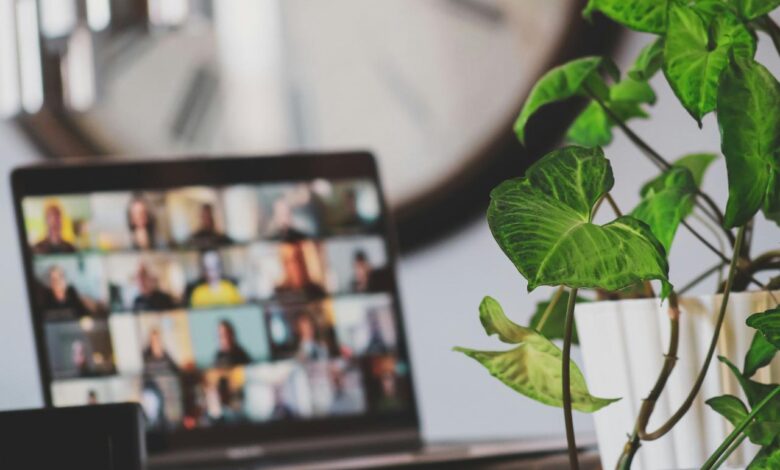
The “Phygital” office—a blend of physical and digital—is essential for a hybrid workforce to stay connected. There is nothing more frustrating than a meeting where half the team is in the room and the other half feels like second-class citizens on a screen.
Advanced audiovisual technology is being built into the very fabric of the office to ensure “meeting equity.” This involves 360-degree cameras, spatial audio, and digital whiteboards that sync across all devices in real-time.
A. Smart Booking Systems allow employees to reserve desks and meeting rooms through a mobile app before they leave home.
B. AI-Powered Cameras track speakers in a room to ensure remote participants have a clear view of the person talking.
C. Virtual Reality (VR) Meeting Rooms allow remote and in-person team members to interact in a shared digital space.
D. Environmental Sensors monitor occupancy, air quality, and temperature to optimize comfort and energy usage.
E. Seamless Connectivity ensures that a laptop or phone connects instantly to the office network and peripherals without cables.
D. The Importance of Psychological Safety and Comfort
Designing for a hybrid workforce is as much about psychology as it is about architecture. Employees who have spent years working in the comfort of their homes now expect a similar level of “psychological safety” in the office.
This has led to the rise of “Resimercial” design—a blend of residential and commercial aesthetics. By using warm lighting, soft textures, and domestic furniture, designers create an atmosphere that lowers cortisol levels and encourages creativity.
A. Natural Materials like wood and stone replace cold plastic and metal to create a grounding environment.
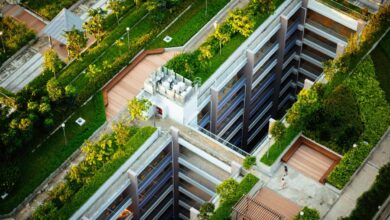
B. Biophilic Design incorporates living walls and indoor trees to improve air quality and mental well-being.
C. Soft Furnishings like sofas and armchairs are used in breakout areas to encourage relaxed, informal communication.
D. Acoustic Management involves using sound-absorbing panels to prevent the “echo chamber” effect of open offices.
E. Personalized Climate Control allows individuals to adjust the temperature and lighting in their immediate workspace.
E. Data-Driven Spatial Optimization
In the past, office space was leased based on a “best guess” of how many people would show up. Today, data is the primary driver of real estate decisions, with companies using heat maps to see which areas are actually being used.
If the data shows that the conference rooms are always empty but the cafe area is always full, the company can quickly repurpose the space. This agility ensures that the business is not paying for “dead” square footage that adds no value.
A. Occupancy Sensors provide real-time data on how many people are in the building at any given moment.
B. Utilization Analytics help managers determine the “peak days” of the week to better manage facilities.
C. A/B Testing of floor plans allows companies to see which layouts result in higher productivity and employee satisfaction.
D. Predictive Maintenance uses AI to schedule repairs before a problem interferes with the workday.
E. Energy Management Systems adjust lighting and HVAC based on real-time occupancy to reduce the carbon footprint.
F. Re-thinking the Long-Term Lease
The traditional 10-year commercial lease is becoming a liability for many companies in a rapidly changing world. Businesses now prefer “Flex-Space” or “Core-and-Flex” models that offer greater financial agility.
In this model, a company might have a small, permanent “Core” office for its essential staff and “Flex” access to additional desks or meeting rooms on an as-needed basis. This protects the company from paying for empty space during economic shifts.
A. Short-Term Leases provide the flexibility to move or downsize as the company’s hybrid strategy evolves.
B. Co-working Partnerships allow employees to work from satellite offices closer to their homes.
C. Service Agreements replace traditional leases, including utilities, cleaning, and tech support in one monthly fee.
D. Shared Amenities allow multiple tenants in a building to share the cost of high-end features like theaters or gyms.
E. Exit Clauses are being negotiated more frequently to allow companies to pivot if their remote-work needs change.
G. Designing for Inclusivity and Neurodiversity
A hybrid office must be inclusive of all work styles, including neurodivergent individuals who may find open offices overwhelming. Sensory-friendly design is no longer a “nice-to-have”; it is a requirement for a high-performing team.
By providing a variety of sensory environments—from high-energy social zones to “low-sensory” quiet rooms—companies ensure that every employee can find a space where they can thrive.
A. Low-Sensory Zones feature dimmable lighting and minimal color palettes for those prone to overstimulation.
B. Adjustable Ergonomics ensure that the physical workspace can be tailored to people of all sizes and abilities.
C. Gender-Neutral Facilities provide a safe and inclusive environment for a diverse workforce.
D. Prayer and Contemplation Rooms offer a space for spiritual or mental breaks during the day.
E. Wayfinding Systems use clear, intuitive visual cues to help everyone navigate the office without stress.
H. The Neighborhood Office: Reducing the Commute
The “15-minute city” concept is influencing commercial real estate, with companies opening smaller “neighborhood hubs” closer to where their employees live. This reduces the carbon footprint and time waste of long-distance commuting.
These satellite offices provide a professional environment for those who cannot work from home effectively but don’t want to travel to a city center every day. It’s about bringing the work to the people, rather than the people to the work.
A. Hub-and-Spoke Models consist of one central “flagship” office and several smaller suburban locations.
B. Pop-Up Offices can be used to test new markets or provide temporary space for specific projects.
C. Community Integration allows neighborhood offices to double as public spaces or local event venues.
D. Local Economic Support is generated as employees spend their lunch money at suburban cafes and shops.
E. Reduced Infrastructure Pressure helps cities manage traffic congestion and public transit loads.
I. Sustainability as a Talent Magnet
Modern employees, particularly Gen Z and Millennials, want to work for companies that align with their environmental values. An office that wastes energy or produces excessive trash is now seen as a major red flag for potential recruits.
Sustainable office design involves using recycled materials, implementing zero-waste policies, and ensuring the building has a high ESG (Environmental, Social, and Governance) rating. A green office is not just good for the planet; it is a powerful tool for recruitment.
A. Net-Zero Certifications prove that the building produces as much energy as it consumes over a year.
B. Circular Furniture programs involve leasing desks and chairs that are refurbished and reused rather than thrown away.
C. Smart Water Systems reduce consumption through low-flow fixtures and gray-water recycling.
D. Zero-Waste Pantries replace single-use plastics with bulk dispensers and reusable containers.
E. Carbon Footprint Tracking allows employees to see the real-time environmental impact of their commute and office use.
J. The Evolution of Collaborative Tools
As the office becomes a “collaboration hub,” the tools we use must evolve beyond a simple whiteboard. Interactive digital surfaces and “War Rooms” allow teams to visualize complex data and projects in three dimensions.
These tools must be “persistent,” meaning that the work done today stays exactly where it is until the team returns tomorrow, whether they are in the room or logging in from home.
A. Digital Whiteboards allow for infinite canvases that can be accessed and edited from any location.
B. Holographic Projection is beginning to be used for 3D product design and remote presentations.
C. Asynchronous Collaboration tools ensure that the workflow doesn’t stop when one person leaves the office.
D. Spatial Audio in meeting rooms makes remote voices sound like they are coming from a specific direction in the room.
E. Smart Glass can turn transparent partitions into opaque screens for privacy or projection at the touch of a button.
K. The Role of Community Managers
In the hybrid era, the “Office Manager” is being replaced by the “Community Manager.” This role is less about fixing printers and more about curate-ing the social energy of the workplace.
A Community Manager organizes events, facilitates introductions between departments, and ensures that the “vibe” of the office remains positive. They are the “heart” of the building, making sure that people feel a sense of belonging when they visit.
A. Networking Events like “Lunch and Learns” help break down silos between different teams.
B. Wellness Programming includes organizing group fitness classes, health screenings, or mental health workshops.
C. Local Partnerships involve bringing in local coffee roasters or artists to keep the office feeling fresh and connected to the city.
D. Feedback Loops ensure that the community manager is constantly hearing and acting on employee suggestions.
E. Onboarding Experiences for new hires are managed to ensure they feel connected to the culture, even if they work remotely.
L. Maintaining Culture in a Fragmented World
The biggest challenge of the hybrid model is maintaining a strong company culture when people are rarely in the same place at the same time. The physical office must act as the “Cultural Anchor.”
When people do come into the office, the focus should be on “meaningful rituals”—shared meals, team celebrations, and strategic planning. These moments build the “social capital” that sustains the company through periods of remote work.
A. Cultural Artifacts like “History Walls” or displays of company achievements help ground employees in the mission.
B. Ritualized In-Person Days ensure that everyone is in the office on the same day for maximum social impact.
C. Storytelling Zones provide spaces for employees to share their successes and challenges with the wider team.
D. Brand Integration ensures that the physical space reflects the company’s values through its art, colors, and layout.
E. Mentorship Hubs provide dedicated spaces for senior leaders to coach and develop younger talent in person.
Conclusion
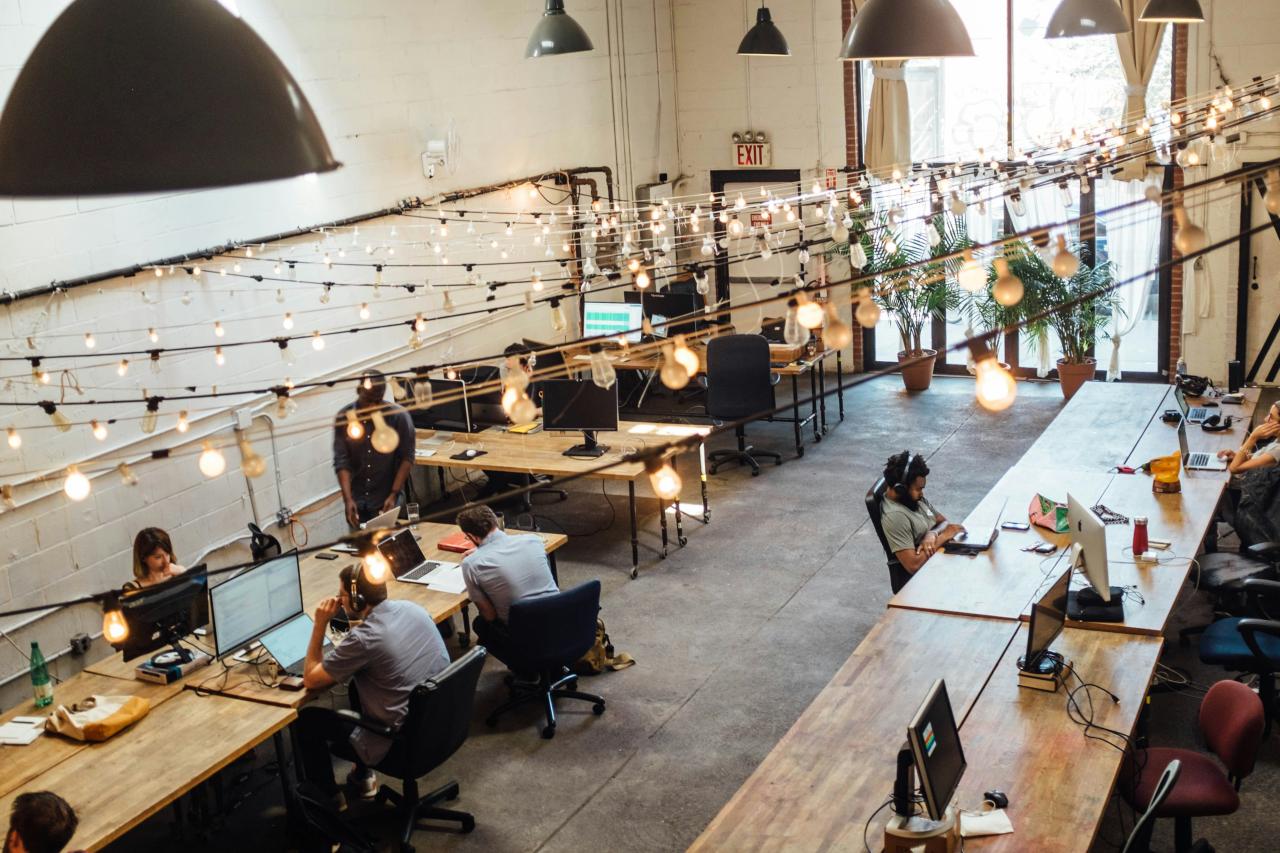
Adapting to a hybrid workforce is the single most important challenge for commercial real estate owners today.
The physical office must prove its value every single day by providing an experience that cannot be found at home.
We are moving toward a future where “work” is something we do, not necessarily a specific place where we go.
Designing with a focus on hospitality and wellness will ensure that employees feel valued and energized by their surroundings.
Technology must be invisible and seamless to allow for true equity between remote and in-person participants.
Data-driven decisions will prevent the waste of financial resources on underutilized and unnecessary square footage.
Sustainability and inclusivity are now the core pillars of any successful and modern workplace strategy.
The shift toward neighborhood hubs will continue to reshape the geography of our cities and our daily lives.
Successful companies will be those that view their office as a tool for community building rather than just an expense.
The role of the office has transitioned from a place of control to a place of collaboration and culture.
We must remain flexible and willing to experiment as the needs of the workforce continue to evolve in 2026.
Your office design is a direct reflection of your company’s respect for its employees’ time, health, and talent.