Tokyo Real Estate: Strategic Investment Opportunities Explored

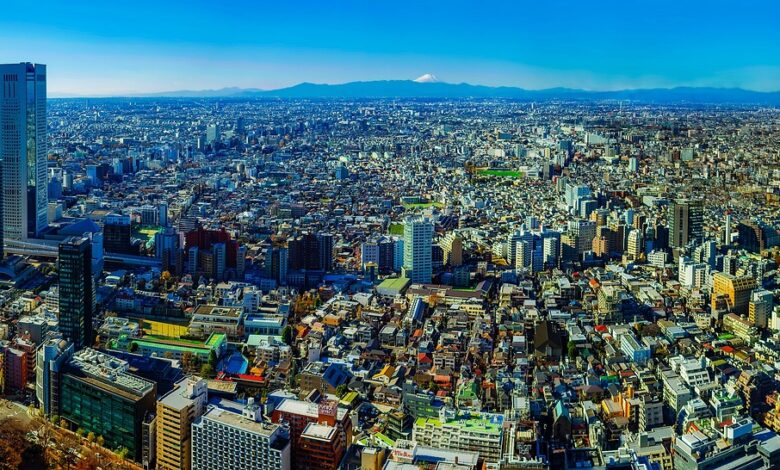
The city of Tokyo stands as one of the most dynamic, densely populated, and economically powerful metropolitan areas on the entire planet. As the undisputed financial and cultural heart of Japan, it presents a compelling, unique landscape for real estate investment that attracts global capital.
Unlike markets defined by aggressive volatility, the Tokyo real estate sector offers a distinctive blend of stability, low-interest financing, and reliable tenant demand. This strong foundation is built upon Japan’s stringent building codes and its sophisticated, mature legal framework.
Foreign investors are increasingly drawn to Tokyo’s consistent rental yields and the general resilience of property values, especially within the central wards. However, navigating this market requires a specialized, nuanced understanding of local zoning, property types, and the distinct sub-markets within the vast metropolitan area.
This market demands a disciplined, long-term perspective. Successfully executing an investment strategy here is the non-negotiable key to accessing a highly stable asset class. It provides a crucial hedge against global economic uncertainty.
The Compelling Macroeconomic Case for Tokyo
Investing in Tokyo real estate is supported by powerful, non-cyclical macroeconomic factors that ensure sustained demand and stability. The city’s immense scale and economic importance create a unique investment environment. It offers resilience unmatched by many global cities.
Tokyo consistently ranks among the world’s safest and most technologically advanced cities. This excellent reputation attracts both international businesses and high-skilled labor migration. The continuous influx of professionals sustains the demand for high-quality rental properties. This factor keeps vacancy rates reliably low.
Japan’s low-interest rate environment is a massive financial advantage for investors. Access to highly affordable, long-term financing significantly reduces the cost of capital. This favorable lending climate boosts the potential for positive financial leverage. Leveraging capital wisely increases the overall return on equity.
Despite Japan’s aging population nationally, central Tokyo continues to see sustained internal migration. Young professionals move to the metropolitan core seeking educational and career opportunities. This continuous urban densification ensures that central residential property demand remains robust, defying national demographic trends.
Furthermore, Tokyo’s property market is defined by exceptionally high construction quality and strict disaster resilience standards. Buildings are engineered to withstand severe earthquakes. This rigorous construction standard protects the asset’s physical integrity and reduces long-term insurance risk.
Analyzing Residential Investment Niches
The Tokyo residential market is diverse, offering investment opportunities across multiple price points and structural types. Investors must meticulously analyze the specific characteristics of each property niche. This analysis ensures alignment with their capital and risk profile.
A. Central Core Apartments (Chiyoda, Minato, Shibuya)
Investment in the central Core Wards (such as Minato, Chiyoda, and Shibuya) targets high-income domestic executives and expatriate professionals. These areas command the highest rental rates and benefit from unparalleled proximity to major business districts. While the acquisition price is exceptionally high, the rental yields are stable. Properties here offer the greatest potential for long-term capital preservation and prestige.
B. Commuter Line Apartments (Near Stations)
Investing in apartments located within a short walk of major commuter rail stations is a highly popular and defensive strategy. Tokyo’s rail system is the lifeblood of the city. Properties near stations command consistently high occupancy rates, regardless of the overall economic climate. The reliability of transportation dictates the property’s value. These assets cater to the vast majority of the city’s stable, middle-class workforce.
C. Small Multi-Unit Buildings (Apato)
Small multi-unit buildings (“apato”) represent a direct revenue-generating strategy. These buildings contain several small rental units on a single land parcel. They offer reliable monthly cash flow. This type of investment diversifies risk across multiple tenants. Successful management maximizes the Net Operating Income (NOI).
D. Single-Family Homes (Tokio Ken)
Single-family homes in the outer metropolitan areas (Tokyo Ken) appeal to larger families seeking more space. The land value is often the primary driver of the asset’s long-term worth. Investment here requires a longer time horizon. It relies on gradual suburban appreciation.
Critical Metrics for Valuation and Due Diligence

Successfully evaluating a Tokyo real estate investment requires moving beyond simple price. It demands a rigorous financial analysis using specific, non-negotiable metrics that define the asset’s profitability and risk exposure. This quantitative approach is key to informed decision-making.
E. Capitalization Rate (Cap Rate)
The Capitalization Rate (Cap Rate) is the essential benchmark for comparison. It is calculated by dividing the property’s annual Net Operating Income (NOI) by its purchase price. A Cap Rate provides a quick measure of the expected annual return on the investment before considering debt. Tokyo Cap Rates are typically lower than those in other global cities. This reflects the asset’s low-risk profile and market stability.
F. Liquidity and Transaction Costs
Assessing the property’s liquidity is crucial. Highly desirable properties in central locations can be sold quickly. Specialized niche properties may take longer to transact. Investors must also budget diligently for high upfront transaction costs. These costs include real estate taxes, agent fees, and legal registration fees, which can collectively exceed 6% of the purchase price.
G. Financing Structure and DSCR
The optimal financing structure minimizes the cost of capital. Investment loans are assessed using the Debt Service Coverage Ratio (DSCR). The DSCR confirms that the property’s NOI can comfortably cover the mandatory mortgage payments. A DSCR significantly above 1.0 signals a healthy, low-risk investment. The low-interest rate environment allows for strategic, positive leveraging.
H. Depreciation and Tax Benefits
Japan’s tax code allows for the depreciation of the building structure over a defined statutory life. This non-cash deduction reduces the investor’s taxable rental income. Understanding and utilizing this depreciation is vital for maximizing the asset’s after-tax cash flow. Depreciation is a powerful, legally sanctioned tool for minimizing tax liability.
Unique Regulatory and Legal Aspects
The Tokyo real estate market operates under a distinct legal framework that differs substantially from Western common law systems. Foreign investors must fully understand these specialized regulations to ensure strict legal compliance and mitigate unforeseen risks. Compliance is mandatory for asset security.
I. Land and Building Separation
The legal treatment of land and building is distinct in Japan. The building often depreciates to zero over its useful life, while the land retains its value indefinitely. The property is often treated as two separate assets for valuation and tax purposes. The transfer of the building is treated differently from the transfer of the underlying land.
J. Leasehold Rights
Residential and commercial leasehold rights are strongly protected by Japanese law. Evicting a tenant, even for non-payment, can be a complex, prolonged, and legally demanding process. This strong tenant protection necessitates extremely rigorous tenant screening procedures by the property manager. The legal system prioritizes the tenant’s stability.
K. Earthquake Resistance Standards
All modern construction must adhere to extraordinarily strict Earthquake Resistance Standards. These regulations mandate continuous structural integrity checks and robust construction methods. These strict codes ensure the safety of the occupants. They also guarantee the long-term physical durability of the investment asset.
L. Foreign Ownership Restrictions
In a highly favorable environment for capital, Japan imposes minimal legal restrictions on foreign ownership of real estate assets. Foreign individuals and entities can generally acquire property with the same rights as local citizens. However, all foreign investors must adhere strictly to local tax reporting and legal registration requirements.
Management and Operational Strategy
Effective Property Management is the non-negotiable key to translating the asset’s potential into consistent, maximized returns. Since most foreign investors do not reside locally, reliance on a highly competent, local management firm is essential. Management quality dictates the asset’s financial performance.
The property manager is responsible for tenant sourcing, screening, and lease execution. Rigorous screening minimizes the risk of late payments and costly legal disputes. Preventative maintenance must be proactive. Addressing minor issues quickly prevents their escalation into major structural and mechanical failures.
The manager must provide transparent, timely financial reporting that tracks income, vacancy rates, and all operating expenses. This reporting ensures the owner has a clear, objective view of the asset’s performance at all times. Reliable financial reporting is crucial for managing cash flow.
Furthermore, the manager assists with rental rate optimization. They ensure that rental prices are adjusted periodically to reflect the prevailing local market demand and inflation. Strategic management maximizes the property’s revenue potential over the long term.
Conclusion
Tokyo real estate offers a uniquely stable investment supported by strong demographics and low financing costs.
The market’s stability is underpinned by Japan’s stringent legal framework and mandatory, high-quality construction standards.
Investment success requires strategic focus on properties near vital commuter rail stations to ensure high, stable occupancy rates.
Valuation relies on the Capitalization Rate (Cap Rate) and rigorous financial metrics, which confirm the property’s ability to cover its debt service.
Japan’s tax law offers a crucial advantage by allowing depreciation of the building structure, reducing the overall taxable rental income.
The favorable low-interest rate environment allows investors to leverage their capital positively, accelerating the return on their initial equity.
The legal system imposes strong protection for residential tenants, necessitating highly diligent and effective tenant screening by the manager.
Foreign investors must fully understand the unique legal distinction between the ownership and depreciation treatment of the land versus the building.
Effective, professional property management is non-negotiable for maximizing Net Operating Income (NOI) and ensuring continuous high occupancy.
This market demands a long-term investment horizon focused on sustained rental yield and predictable capital preservation.
The rigorous discipline applied to valuation and management is the key to minimizing risk in the competitive Japanese market.
Tokyo stands as an essential global destination for investors seeking structural resilience and reliable income generation.