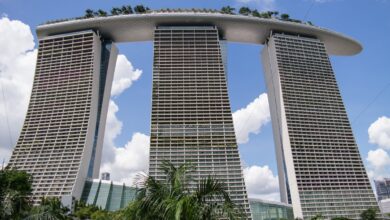
Entering the world of high-end real estate requires a shift in perspective from traditional residential buying to a more calculated investment mindset. Luxury properties have long been considered a safe haven for capital, offering a unique blend of tangible asset security and the potential for significant capital appreciation. However, the modern investor is no longer satisfied with mere prestige; the current market demand centers on identifying top high-yield luxury property investments that offer consistent cash flow. Navigating this niche market involves understanding the subtle interplay between location, architectural exclusivity, and the evolving lifestyle demands of the global elite. As wealth becomes more mobile, the definition of a “prime” investment is expanding beyond traditional hubs to include emerging secondary markets and luxury vacation rentals.
This investment class requires a deep dive into data, from occupancy rates in high-end tourism zones to the tax implications of cross-border acquisitions. Successfully managing a luxury portfolio means recognizing that these assets often behave differently than the broader housing market during economic shifts. By focusing on scarcity and high-value amenities, an investor can insulate their wealth while enjoying the lifestyle perks of premium real estate. This guide will explore the essential strategies for selecting, financing, and managing luxury assets to ensure they remain high-performing engines of wealth.
Defining High-Yield in the Luxury Segment

In standard real estate, a yield of 4% to 6% might be considered acceptable, but luxury investments often play by a different set of financial rules. High-yield luxury assets are those that leverage uniqueness to command premium rental rates or rapid equity growth.
A. Short-Term Luxury Vacation Rentals
Properties in elite holiday destinations often generate much higher yields than long-term leases. By catering to high-net-worth travelers, these assets can earn in a week what a standard apartment earns in a month.
B. Branded Residences and Hotel-Managed Units
Buying into a property managed by a global hotel brand often secures higher occupancy and premium rates. Investors benefit from the brand’s marketing engine and the superior service level that wealthy tenants demand.
C. Adaptive Reuse and Historic Restorations
Converting historic buildings into ultra-modern luxury lofts creates a scarcity value that cannot be replicated. This uniqueness allows owners to command significantly higher rents and resale prices compared to new-build glass towers.
Selecting the Right Geographic High-Heeled Markets
Location remains the most critical factor, but the focus has shifted from “where people work” to “where the wealthy want to live.” Strategic geographic selection is the foundation of any high-yield portfolio.
A. Global Financial Hubs with Limited Supply
Cities where geographic constraints prevent new sprawl, like island cities or mountain-locked valleys, ensure long-term value. When supply is fixed and demand from global capital is high, yields remain stable and prices trend upward.
B. Emerging “Lifestyle” Secondary Cities
Technology has allowed the wealthy to move away from congested capitals toward scenic coastal or mountain regions. Investing in these emerging hubs early can lead to massive capital gains as the “luxury migration” continues.
C. Tax-Advantaged and Investor-Friendly Jurisdictions
Some regions offer “Golden Visas” or significant tax breaks for property investors. Reducing the tax burden on rental income and capital gains is a direct way to increase the net yield of a property.
The Impact of Architectural Design on Value
A luxury property is not just a building; it is a piece of art and a status symbol. The quality of design and the reputation of the architect can directly impact the financial performance of the asset.
A. Signature Architecture and “Starchitect” Premiums
Properties designed by world-renowned architects often hold their value better during market downturns. These buildings attract a global pool of collectors who are willing to pay a premium for the prestige of the design.
B. Wellness-Centric Design and Sustainable Luxury
Modern luxury tenants prioritize air quality, natural light, and eco-friendly materials. Properties that incorporate advanced wellness technology often see higher demand and lower vacancy rates.
C. Smart Home Integration and Security
Ultra-high-end security features and seamless automation are no longer optional in the luxury segment. A property that is “future-proofed” with the latest tech will always command a higher yield than a technologically dated one.
Strategies for Financing Luxury Acquisitions
Financing a multi-million dollar property requires a different set of tools than a standard mortgage. High-yield investors often use creative debt structures to maximize their return on equity.
A. Private Banking and Lombard Loans
High-net-worth individuals often use their existing investment portfolios as collateral for property loans. This allows them to keep their capital invested in the stock market while acquiring real estate at low interest rates.
B. Portfolio Cross-Collateralization
Instead of a high down payment, an investor might use equity from other properties to secure a new luxury asset. This strategy allows for faster portfolio scaling without depleting cash reserves.
C. Interest-Only Periods and Cash Flow Optimization
Using interest-only financing during the first few years of an investment can dramatically increase the monthly cash flow. This is particularly effective for properties that are expected to see high capital appreciation in a short time.
Maximizing Yield Through Asset Management
Owning a luxury property is only half the battle; the other half is managing it to ensure it reaches its maximum earning potential. Elite asset management focuses on hospitality-level service.
A. High-End Concierge and Lifestyle Services
Offering tenants access to private chefs, chauffeur services, or exclusive club memberships can justify significantly higher rental prices. You are selling a lifestyle experience, not just a place to sleep.
B. Regular Aesthetic and Technical Refurbishment
The luxury market is fickle and trends change quickly. A small investment in high-end interior updates every few years ensures the property remains at the top of its price bracket.
C. Professional Marketing and Global Networking
High-yield properties are rarely found on standard listing sites. Successful investors work with brokers who have “off-market” access to global circles of wealth.
Risk Mitigation in High-End Real Estate
While the rewards are high, the luxury market is not without its risks. A diversified and well-researched approach is the only way to protect a large-scale investment.
A. Diversification Across Different Asset Classes
A healthy luxury portfolio should include a mix of urban condos, seaside villas, and perhaps commercial luxury retail spaces. This prevents a localized market crash from destroying the entire portfolio.
B. Understanding Liquidity Constraints
Luxury properties take longer to sell than standard homes because the pool of buyers is much smaller. Investors must ensure they have enough cash flow to hold the asset during a slow sales period.
C. Political and Regulatory Monitoring
Changes in foreign ownership laws or wealth taxes can happen overnight. Staying informed about the political climate of the investment region is essential for long-term security.
The Role of Technology in Property Selection
Data is the new gold in real estate. Modern investors use advanced analytics to predict which neighborhoods will be the next luxury hotspots.
A. Predictive Analytics for Urban Development
Software can now track building permits, infrastructure projects, and even social media trends to find undervalued areas. Getting in before the “luxury wave” hits is the key to high-yield gains.
B. Virtual Reality and Remote Acquisition
Global investors can now tour and inspect properties in 3D without ever boarding a plane. This technology has opened up local luxury markets to a massive pool of international capital.
C. Blockchain and Tokenized Real Estate
While still emerging, the ability to buy fractional shares of a luxury property through blockchain is increasing liquidity. This allows smaller investors to participate in the high-yield luxury market.
Sustainable and “Green” Luxury as a Value Driver
Sustainability is no longer a niche interest; it is a requirement for the next generation of wealthy buyers. Green buildings are proving to be more profitable in the long run.
A. Energy Efficiency and Operating Cost Reduction
Luxury homes are often large and expensive to maintain. Properties with solar integration and smart climate control have lower overhead, which directly increases the net yield.
B. The Prestige of LEED and BREEAM Certifications
A certified “green” building attracts a more conscious and often wealthier tenant base. These certifications serve as a third-party validation of the property’s quality and future value.
C. Future-Proofing Against Environmental Regulation
As cities implement stricter carbon rules, non-compliant buildings will face heavy fines. Investing in sustainable luxury today prevents massive renovation costs tomorrow.
Managing International Portfolios
Investing in different countries brings a layer of complexity regarding currency, law, and culture. A successful international investor needs a strong local network.
A. Currency Hedging for Global Assets
Fluctuations in exchange rates can eat into your rental yields. Using financial instruments to hedge against currency drops protects the value of your international income.
B. Navigating Local Legal Systems and Title Deeds
Every country has different rules for how property is owned and transferred. Hiring a local legal expert is the only way to ensure your ownership rights are fully protected.
C. Cultural Nuances in Property Amenities
What is considered “luxury” in Dubai might be different from what is expected in Paris or Tokyo. Understanding the specific desires of the local elite is vital for maintaining high occupancy.
The Future of High-Yield Luxury Living
The luxury market is moving toward “serviced living” where the lines between home and hotel are blurred. The future is about flexibility, service, and exclusivity.
A. The Rise of the Digital Nomad Elite
Wealthy professionals are spending months at a time in different luxury hubs. Properties that cater to this “mid-term” luxury stay are seeing some of the highest yields in the market.
B. Private Communities and Gated Enclaves
As privacy becomes more valuable, gated communities with their own private security and infrastructure are seeing increased demand. These assets offer a level of “safety premium” that standard luxury lacks.
C. Integrated Co-Working and Wellness Spaces
The home is now a place of work, exercise, and relaxation. Luxury properties that provide dedicated, high-tech spaces for these activities are outperforming traditional residences.
Conclusion

Luxury real estate remains one of the most effective vehicles for wealth preservation and growth in the modern era. Top high-yield luxury property investments require a strategic focus on scarcity and exceptional service levels. The shift toward branded residences and managed units has created a more reliable income stream for global investors. Technology and data analytics are now essential tools for identifying the next high-growth luxury neighborhoods.
Sustainability is no longer a luxury “extra” but a core driver of future property value and market demand. Diversification across different geographic regions protects the portfolio from local economic or political shifts. High-yield results are the product of careful financing, elite asset management, and proactive maintenance. Modern luxury buyers are increasingly prioritizing wellness and remote-work capabilities in their property choices. Successful investors view their luxury assets as businesses that require constant innovation and high-quality service.
The global mobility of wealth ensures that the demand for premium living spaces will continue to grow. Legal and tax planning are just as important as the physical location of the property itself. Architectural exclusivity creates a “moat” that protects the asset from being commoditized by new developments. Monitoring currency fluctuations is vital for maintaining the net profitability of an international property portfolio. The transition to serviced living models is redefining the relationship between owners and tenants in the luxury sector. Ultimate investment success in this field comes from finding the perfect balance between tangible prestige and financial performance.