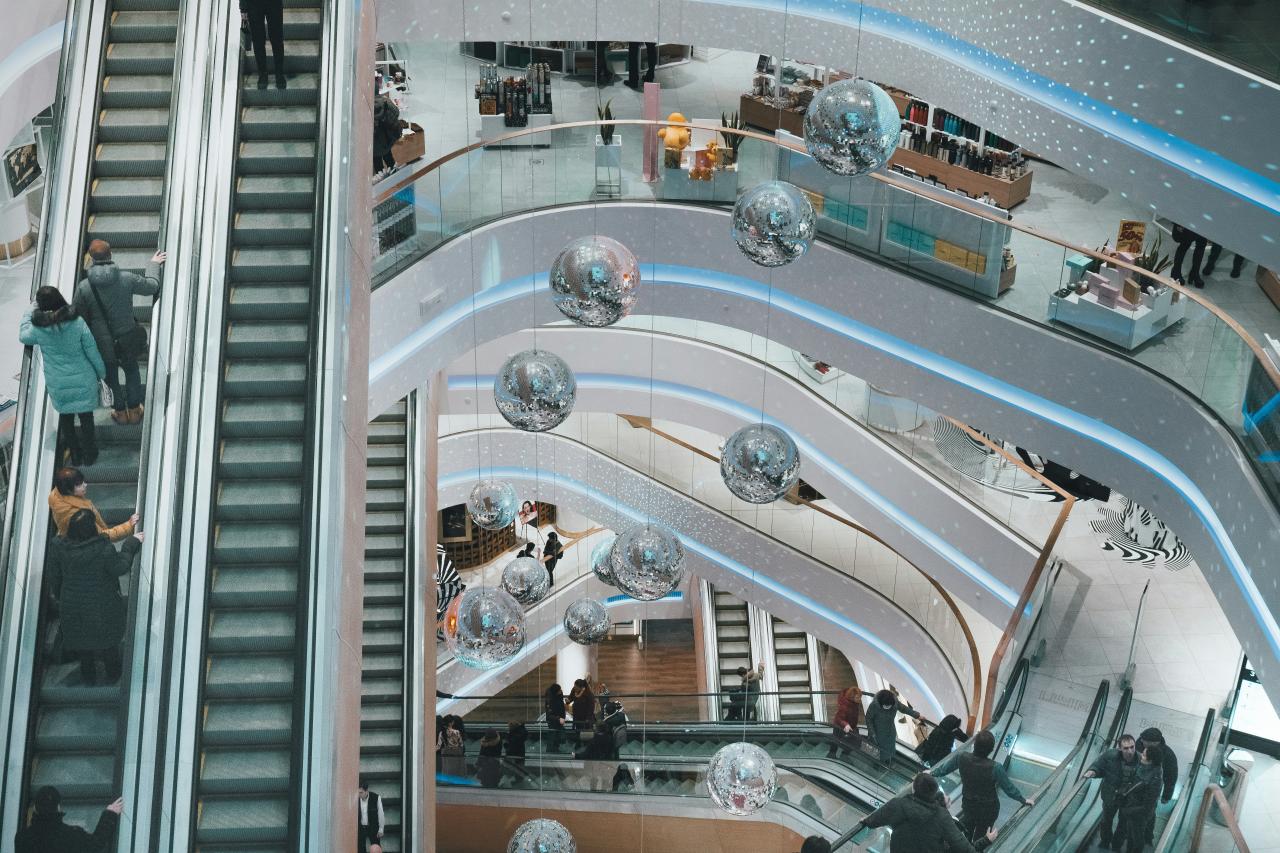
The landscape of commercial real estate is currently witnessing a tectonic shift as traditional shopping malls face an existential crisis across the globe. For decades, these sprawling concrete structures served as the cathedrals of consumption, defining the social and economic fabric of suburban and urban life. However, the meteoric rise of e-commerce, coupled with changing consumer behaviors post-pandemic, has left many of these iconic spaces echoing with silence.
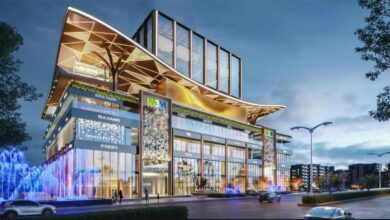
Rather than allowing these massive footprints to crumble into “zombie malls,” innovative developers are breathing new life into them through radical repurposing strategies. We are seeing a transition from pure retail environments to vibrant “Mixed-Use Hubs” that integrate residential units, professional offices, healthcare facilities, and green public spaces.
This evolution represents more than just a renovation; it is a fundamental rethink of how we utilize urban land to create sustainable and resilient communities. By blending work, life, and play into a single ecosystem, these repurposed malls are becoming the new town squares of the 21st century. Investors who recognize this trend early are finding lucrative opportunities in converting underperforming assets into high-demand community anchors. In this article, we will explore the mechanics of this transformation and what it means for the future of the real estate market.
A. The Decline of the Traditional Retail Model
The “retail apocalypse” is a term often used to describe the mass closure of brick-and-mortar stores that began over a decade ago. While some blame the internet entirely, the reality is a combination of oversupply, aging infrastructure, and a shift in how people spend their leisure time.
Traditional malls relied on “anchor tenants,” usually large department stores, to draw in the crowds. When these giants began to fail, the smaller satellite shops lost their foot traffic, leading to a cascading effect of vacancies.
A. Anchor tenant bankruptcies created massive voids in malls that were difficult to fill with traditional retailers.
B. Consumer preferences shifted toward “experience-based” spending rather than just acquiring physical goods.
C. The convenience of one-day shipping made the physical trip to a mall less attractive for routine purchases.
D. Over-retailing in many regions meant there was simply too much square footage for the local population to support.
E. High maintenance costs for aging climate control and lighting systems made old mall models financially unsustainable.
B. Defining the Mixed-Use Hub Concept
A mixed-use hub is a development that integrates multiple functional uses within a single project or area. In the context of mall repurposing, this means taking a 50-acre retail site and adding apartments, coworking spaces, and clinics.
This approach creates a built-in customer base for the remaining retail shops. If people live and work on-site, they are much more likely to dine and shop there, creating a self-sustaining economic loop.
A. Residential components often include luxury apartments, senior living facilities, or affordable housing units.
B. Office spaces are frequently designed as “flexible” or “coworking” environments to cater to the hybrid workforce.
C. Hospitality elements like boutique hotels can attract business travelers and tourists to the site.
D. Healthcare services, such as specialized outpatient clinics, provide a steady stream of daily visitors.
E. Educational facilities, including vocational schools or satellite university campuses, add further diversity to the user base.
C. The Economic Benefits for Real Estate Investors
Repurposing a mall is often more cost-effective and environmentally friendly than tearing it down and starting from scratch. Developers can leverage existing parking structures, utility connections, and structural frames.
From a financial perspective, mixed-use hubs diversify risk. If the retail market dips, the residential and office rents provide a buffer, ensuring the property remains cash-flow positive.
A. Lower construction costs can be achieved by utilizing the “bones” of the existing mall structure.
B. Faster permitting is sometimes possible when local governments are eager to revitalize a decaying asset.
C. Multiple revenue streams reduce the vulnerability of the investment to sector-specific downturns.
D. Tax incentives are often available for developers who incorporate sustainable features or affordable housing.
E. Higher property valuations are typically achieved when a dead mall is transformed into a high-density community hub.
D. Architectural Strategies for Transformation
Turning a windowless department store into a livable apartment building requires significant architectural creativity. Designers often “carve out” sections of the roof to create internal courtyards and bring in natural light.
The goal is to move away from the “inward-facing” design of traditional malls and create a project that connects with the surrounding neighborhood. This often involves removing massive parking lots and replacing them with walkable streets and parks.
A. Daylighting techniques involve adding skylights and glass facades to previously dark retail spaces.
B. Adaptive reuse of parking lots allows for the construction of new residential towers or green belts.
C. Pedestrian-centric layouts replace vast asphalt seas with sidewalks, bike lanes, and plazas.
D. Vertical expansion can sometimes be achieved by adding floors to existing low-rise structures.
E. Integration with public transit ensures the hub is accessible to the wider city population without relying on cars.
E. The Rise of “Medtail” and Healthcare Integration
One of the strongest trends in mall repurposing is the move toward “Medtail,” where healthcare providers take over former retail spaces. Patients enjoy the ample parking and easy access that malls provide.
For the mall owner, healthcare tenants are highly desirable because they sign long-term leases and are resistant to e-commerce disruption. You can’t get an MRI or a dental cleaning through an app.
A. Urgent care centers provide convenient medical access for the residents living within the hub.
B. Specialty clinics like dialysis centers or physical therapy offices benefit from the ground-floor accessibility.
C. Wellness centers combining gyms, spas, and nutritionists create a health-focused ecosystem.
D. Diagnostic labs can utilize the large back-of-house spaces for specialized medical equipment.
E. Senior living communities on-site benefit significantly from having medical services just a short walk away.
F. Integrating Residential Living into Retail Spaces
Living in a former mall might sound strange, but modern conversions are incredibly stylish. The high ceilings and industrial aesthetics of retail spaces allow for “loft-style” living that is very popular with young professionals.
These developments offer a “15-minute city” lifestyle. Residents can wake up, go to the gym, work in a coworking space, and meet friends for dinner without ever leaving the property.
A. Loft apartments utilize the 15-to-20-foot ceilings common in department stores for a spacious feel.
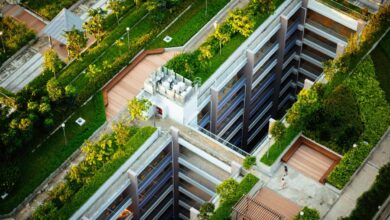
B. Shared amenities like rooftop gardens and communal lounges are built into the old mall’s footprint.
C. Safety and security are enhanced through the gated or monitored nature of many mall sites.
D. Pet-friendly features like on-site dog parks are often included to attract modern renters.
E. Micro-units provide affordable options for students or young workers in high-cost urban areas.
G. The “Hotelization” of the Modern Office
As office demand shifts, repurposed malls are offering “office-as-a-service.” These are not just desks and chairs, but environments that mimic the luxury and service of a five-star hotel.
Large floor plates of malls allow for expansive, collaborative zones that traditional office buildings cannot easily accommodate. This makes them perfect for tech companies and creative agencies that value teamwork.
A. Concierge services provide administrative support and event planning for office tenants.
B. High-end food halls replace the old, greasy food courts, offering gourmet options for workers.
C. Flexible lease terms allow startups to scale up or down as their business needs change.
D. Integrated fitness centers allow employees to work out during lunch breaks, boosting productivity.
E. Advanced fiber-optic infrastructure is often a standard feature in these high-tech conversions.
H. Sustainability and Environmental Impact
Repurposing a building is the ultimate form of recycling. It saves a massive amount of “embodied carbon” that would otherwise be released during the demolition and new construction process.
Many mixed-use hubs are also incorporating “green” tech like solar panels on their massive flat roofs and gray-water recycling systems. This makes the property more attractive to ESG-focused (Environmental, Social, and Governance) investors.
A. Adaptive reuse significantly reduces the amount of construction waste sent to landfills.
B. Solar energy potential is maximized by the vast, unobstructed roof space of traditional malls.
C. Rainwater harvesting can be used to maintain the new green spaces and parks on-site.
D. Energy-efficient HVAC upgrades reduce the overall carbon footprint of the development.
E. Urban heat island effects are mitigated by replacing black asphalt parking with trees and grass.
I. Challenges in the Repurposing Process
While the potential is high, the road to repurposing is not without its hurdles. Zoning laws are often the biggest obstacle, as many sites are strictly zoned for “commercial only” and do not allow residential use.
Additionally, fragmented ownership can stall projects. Some malls have different owners for the land, the main building, and the individual anchor stores, making it difficult to get everyone to agree on a new vision.
A. Rezoning negotiations with local governments can take years and require significant political capital.
B. Structural limitations of old buildings can lead to unexpected costs during the renovation phase.
C. Reciprocal Easement Agreements (REAs) often give anchor tenants power to block non-retail uses.
D. Financing large-scale mixed-use projects can be complex, requiring a mix of debt and equity.
E. Community pushback may occur if neighbors fear increased traffic or changes to the area’s character.
J. The Future of Food and Entertainment
The old food court is dead, but food is more important than ever in the new mixed-use hub. Developers are curating “food halls” featuring local chefs, craft breweries, and artisanal markets.
Entertainment has also evolved. Instead of just a movie theater, hubs now feature “competitive socializing” venues like high-tech bowling, indoor pickleball, and virtual reality arcades.
A. Food halls act as a “social anchor,” drawing people in for the experience rather than just the meal.
B. Pop-up markets allow local artisans to sell goods without the commitment of a long-term lease.
C. Competitive socializing venues increase the “dwell time” of visitors on the property.
D. Outdoor event spaces can host concerts, farmers’ markets, and outdoor movie nights.
E. Educational workshops and cooking classes add a layer of community engagement to the food scene.
K. Technology and the “Smart Hub” Experience
A successful mixed-use hub in 2026 relies on a seamless digital experience. Residents and office workers use a single app to unlock doors, book meeting rooms, and order food from on-site vendors.
AI is also used behind the scenes to manage energy usage and predict when maintenance is needed. This “Smart Hub” approach increases efficiency and improves the overall experience for everyone on-site.
A. Unified apps simplify daily life by integrating all services into a single digital interface.
B. Smart parking systems use sensors to guide visitors to open spots, reducing congestion.
C. AI-driven security systems monitor the premises for safety while respecting user privacy.
D. Internet of Things (IoT) sensors optimize lighting and heating based on real-time occupancy.
E. High-speed 5G connectivity is integrated throughout the hub to support a mobile workforce.
L. Global Case Studies of Success
From the “Aerion” in Paris to the “Wayfarer” in Los Angeles, successful mall conversions are popping up in every major city. These projects serve as blueprints for other developers looking to tackle their own “zombie malls.”
In Singapore, the transformation of older shopping centers into integrated community hubs has led to a revitalization of entire districts. These cases prove that with enough vision, any retail space can be reborn.
A. The “Highland Mall” conversion in Texas turned a failing mall into a thriving community college campus.
B. The “Landmark” project in Alexandria transformed a massive site into a state-of-the-art medical and residential district.
C. “The Battery” in Atlanta shows how a sports stadium can act as a catalyst for a massive mixed-use retail hub.
D. “Grand Central” in Birmingham, UK, successfully integrated a major train station with a high-end shopping and dining hub.
E. “Northgate Station” in Seattle added a hockey practice facility and transit center to a historic retail site.
Conclusion
The evolution of the traditional shopping mall into a mixed-use hub is the most exciting trend in modern real estate.
We must stop viewing vacant retail spaces as failures and start seeing them as massive opportunities for community growth.
The era of mono-functional buildings is over as people demand more integrated and efficient ways to live their lives.
Investors who master the complexity of mixed-use zoning will be the ones who lead the market over the next decade.
Sustainability is no longer an optional feature but a core requirement for any large-scale redevelopment project in 2026.
Repurposing our existing buildings is a critical step in reducing the environmental impact of our growing urban centers.
Healthcare and wellness will continue to play a massive role in stabilizing the foot traffic of these new community anchors.
The integration of smart technology will ensure these hubs remain efficient and user-friendly for generations to come.
Local governments must be willing to update their zoning laws to support the creative reuse of these iconic properties.
Walking through a repurposed mall should feel like walking through a vibrant, miniature city that caters to every human need.
Success in this field requires a blend of architectural daring, financial patience, and a deep love for community building.
The death of the traditional mall is not an end but a beautiful beginning for the next chapter of our urban evolution.